Are free-range eggs really better? NVC’s study questions popular belief
| Date :20-Apr-2026 |
By Reema Mewar :
There is no significant difference in nutritional quality of eggs produced by caged and free-range chickens
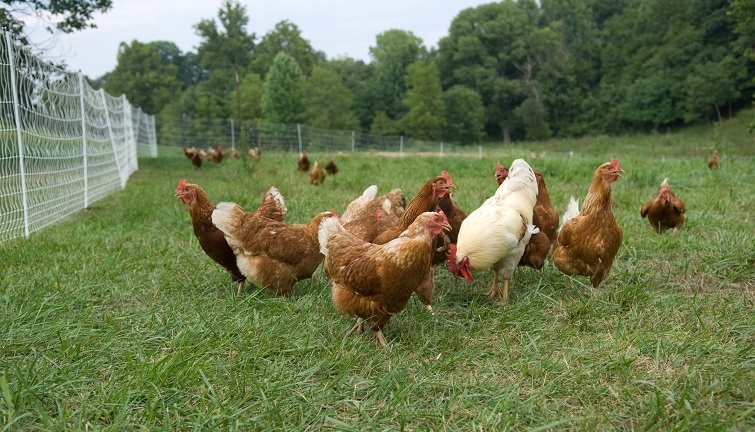
Over the last few years, consumers have been exposed to health advice about which kind of eggs are healthier. Free-range eggs (eggs laid by chickens that are not caged and allowed to roam free) are often projected as a healthier and more humane alternative. However, a study conducted by the Department of Poultry Research at Nagpur Veterinary College compared eggs produced by chickens kept in cages with those laid by birds reared in a free-range deep litter system.
Practical disadvantages in free-range rearing
Dr Mukund Kadam, Professor and Head of the Department of Poultry Research, explained that free-range systems come with disadvantages.“One of the biggest issues with free-range eggs is that they are usually very dirty because the birds lay them directly on the floor,” said Dr Kadam. “Since the shell of an egg is porous, bacteria from the faeces can enter through those pores. From a market point of view, consumers are less likely to buy eggs that appear unclean. This means farmers have to put in additional effort to clean them before selling them.”
Injuries in chickens
“Another issue observed in free-range rearing was aggressive behaviour among the birds. Chickens that are allowed to roam freely tend to peck at each other more often. If one bird starts bleeding, others may continue pecking at the wound, often leading to the death of the injured bird.” Dr Kadam explained. “For small-scale farmers, who make up a large part of the industry,
this will result in heavy losses if birds continue to suffer from injuries and infections. At present, caging can actually be more humane, provided the birds are given clean surroundings, proper food, water, vaccination and a low-stress environment.
Hopefully, we find a workaround to these problems while letting the birds roam freely, but at present, this is the best option,” elaborated Dr Kadam, adding that there was no significant difference found in the nutrition levels of the eggs either. Poultry industry in India is fragile Dr Saicharan Hande, a post-graduate student in the department, said that because of lack of awareness and abundance of misconceptions, the poultry industry in India is fragile. “During the COVID pandemic, there were rumours that poultry consumption was causing COVID, which was completely false. However, people stopped eating eggs.
Then there are these rumours about hormone injections, which are again far from reality.”
“Developed countries like the USA or China have a proper market for these eggs, so they have the time and resources to address bird welfare and choose free-range eggs as a more ‘humane’ option,” he said. “The higher egg production seen in India’s commercial birds comes from breeding and nutrition rather than artificial methods. The white leghorn (which lays white eggs) is a foreign breed and genetically has a much higher egg-producing capacity. One bird produces around 320 eggs in a year, because we provide scientifically balanced feed with maize, soya, oils and multivitamins.” Dr Hande added.
The research challenges the assumption that free range automatically means healthier. In the Indian market, free-range and cagged cannot be reduced to a ‘better or worse’ arguement.