State’s bike ambulance scheme hits a wall
| Date :27-Apr-2026 |
Staff Reporter :
30 bike ambulances now lying dormant; rural and tribal healthcare in crisis
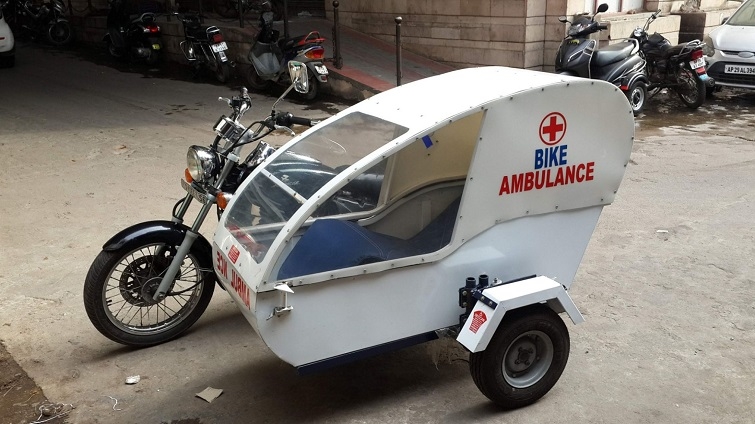
With high hopes, Maharashtra Government had started the bike ambulance service which has come to a screeching halt. When the idea of the scheme came to the fore, it was hailed as a lifeline for remote and tribal areas. These bike ambulances now lie dormant and underfunded. The scheme, launched with fanfare in 2017, aimed at delivering emergency medical assistance to some of Maharashtra’s most inaccessible regions. It has now seen its funding cut and its operations have come to a standstill.
The ambitious initiative, started with just 10 bike ambulances funded through CSR initiatives, gradually expanding to 30 across the State. As per original plan, Government had contemplated to buy over 300 such bike ambulances but that remained on paper only. Designed to serve areas like the Melghat region and the Naxal-affected districts of Gadchiroli, the service promised to cut response times for emergency care in areas with little to no access to traditional vehicles. But by 2024, as central funding dried up, the bikes were left idle, and the service—once hailed a crucial part of rural healthcare infrastructure—collapsed.
This situation mirrors a scene from the iconic 2009 film ‘3 Idiots’, where Aamir Khan’s character uses a two-wheeler to transport a patient in an emergency, offering a creative yet desperate solution to the lack of timely medical assistance. In the film, the bike is a symbol of resourcefulness, filling a gap in emergency care where traditional ambulances cannot reach.
However, in reality, this very concept, which once seemed like a lifeline for rural Maharashtra, now faces a grim end.
Despite earlier success, the real test came when the Central Government ceased funding the scheme, leaving the entire initiative to rely on corporate contributions and contractual agreements. No direct capital expenditure had been made by the government, raising serious concerns about the sustainability of such projects. The 30 existing bike ambulances are now relegated to ‘backup’ status, with no active use or service to offer the communities that need them most.
The failure of this service highlights the deep challenges faced by healthcare providers in rural and tribal areas. The collapse of the scheme has exposed the frailty of the State’s rural healthcare infrastructure, especially in
remote pockets like Bairagad, Harisal, and Tembhusonda, which were initially prioritised by the bike ambulances. These bikes, equipped with a trolley to transport patients, first-aid kits, oxygen cylinders, and walkie-talkies, were designed for the most difficult terrains. But now, the promises made have become hollow, leaving patients to suffer.
Moreover, the crisis is compounded by a manpower shortage.
With the scheme’s end, trained emergency medical technicians (EMTs) who operated the bikes have been displaced, worsening the situation for already vulnerable communities.
In an attempt to revive the scheme, a new tender process claims that 196 ambulances—166 new bike ambulances and 30 existing units—will be made available. But with skepticism surrounding the Government’s ability to deliver, many wonder if this announcement will be another false hope for the people who need it most.
This collapse underscores a crucial issue—without consistent funding and support, even the most innovative solutions for rural healthcare can fail, leaving millions of lives in jeopardy. Much like ‘3 Idiots’, where ingenuity overcame limitations, Maharashtra’s bike ambulance scheme was initially born out of necessity, but without sustained commitment, its potential to save lives is rapidly fading into the dust, said a senior doctor who worked with public health department a few years ago.