Burdening honest consumers is not power reform, it’s policy failure
Date :28-Apr-2026
Dr Sameer Manapure :
At a time when India is striving to emerge as a global manufacturing hub and a clean energy leader, recent developments in Maharashtra’s power sector raise serious concerns. Policies that increase the burden on electricity consumers—especially those adopting rooftop solar—risk slowing economic growth and contradicting national priorities.
Electricity in Maharashtra is already among the costliest in the country. Consumers today pay not only for consumption, but also a range of additional charges—fixed costs, fuel adjustment charges, electricity duty, and repeated security deposits.
This layered pricing has made electricity increasingly unaffordable for households and uncompetitive for industries.
The consequences are visible. Industries are either scaling down operations or considering relocation to neighbouring states where electricity is cheaper. High energy costs directly impact manufacturing competitiveness, investment inflow, and job creation, weakening the very foundation of economic growth.
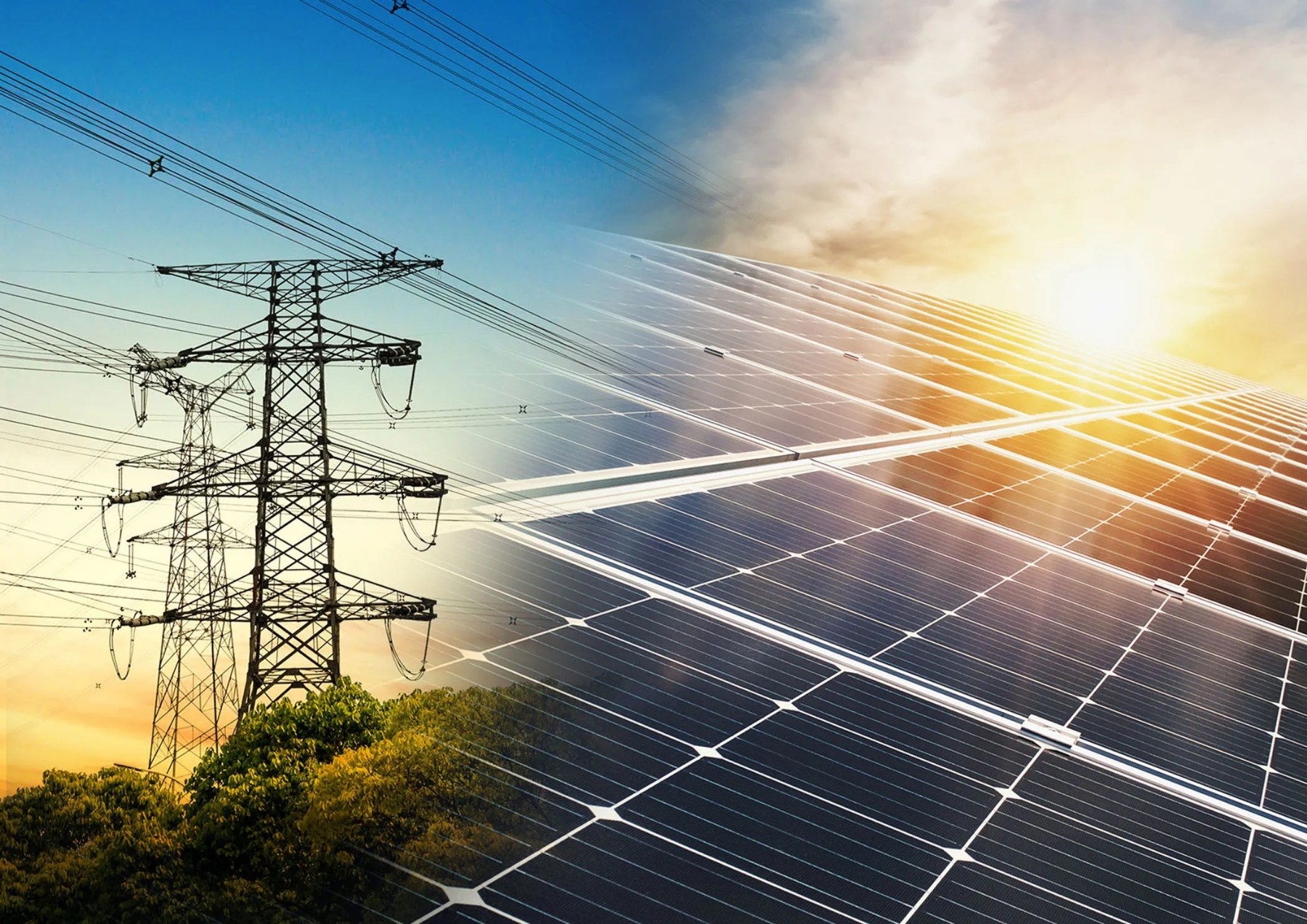
In this backdrop, the move to impose or expand grid support charges on rooftop solar systems appears counterproductive. Citizens who invested their own resources in solar installations did so to reduce costs, lower pollution, and support national clean energy goals. Penalising self-generation sends a negative signal and risks discouraging further adoption. Such measures also contradict the spirit of the PM Surya Ghar Muft Bijli Yojana, which aims to promote rooftop solar and energy independence. Instead of enabling this transition, current policy directions risk slowing it down.
Distribution companies often argue that excess solar generation during the day creates grid management challenges. While this concern has merit, the solution lies in smarter energy management—not in burdening consumers.
A practical and forward-looking solution is real-time monitoring and real-time communication systems. By using smart grids, utilities can inform farmers, industries, and EV charging operators about periods of excess electricity generation during the day and offer discounted tariffs during these hours.
This would encourage:
· Farmers to run irrigation pumps during peak solar hours
· Industries to shift energy-intensive processes to daytime
· EV users to charge vehicles when solar power is abundant
Such demand-side management creates a win-win situation—it reduces grid overload, improves utilisation of renewable energy, lowers costs for users, and reduces dependence on polluting power sources.
Additionally, energy storage systems provide a powerful solution. Countries like China have invested heavily in large-scale battery storage infrastructure to store excess renewable energy and use it during peak demand hours. These systems stabilise the grid without penalising consumers and enable higher renewable integration.
Other innovative approaches include: · Time-of-day pricing incentives
· Decentralised and community-level storage systems
· Virtual power plants integrating rooftop solar users
· Transferring surplus electricity to deficit regions through grid optimisation
Developed nations have shown that affordable electricity is key to rapid progress. Economies like China and the United States ensured reliable and low-cost power to fuel industrial growth. Lower energy costs directly translate into higher productivity, increased investment, and stronger economic expansion.
Maharashtra, with its strong industrial base, cannot afford policies that move in the opposite direction. Burdening honest consumers instead of fixing systemic inefficiencies risks slowing both economic and environmental progress.
A Call for Smarter, People-Centric Power Policy
Through the columns of ‘The Hitavada’, I request our Chief Minister popularly known as Deva Bhau to adopt a balanced and forward-looking approach. Instead of imposing additional charges, the focus should be on innovation, efficiency, and consumer empowerment.
Real-time energy management, storage solutions, and incentivised consumption during peak generation hours can transform challenges into opportunities. There are multiple solutions available—far more effective than placing additional financial burden on consumers.
Electricity is not just a utility; it is the backbone of development. Policies must support, not suppress, those who are contributing to a cleaner and stronger India.