Iran proposes to reopen Strait of Hormuz without nuclear agreement
| Date :28-Apr-2026 |
CAIRO :
Iran also wants the US to end its blockade of the country as part of its proposal. The new proposal most likely won’t be supported by US President Trump
IRAN is offering to end its chokehold on the Strait of Hormuz without addressing its nuclear programme, two regional officials with knowledge of the proposal said on Monday, as the country’s Foreign Minister made a visit to Russia, which he said was an opportunity to consult with Moscow regarding the war against Israel and the United States.
Iran also wants the US to end its blockade of the country as part of its proposal, said the two officials, who spoke on condition of anonymity to discuss the closed-door negotiations. The new proposal, passed to the United States by Pakistan, likely won’t be supported by US President Donald Trump, who wants to end Iran’s atomic programme as part of an overall deal to reopen the Strait of Hormuz and make the ceasefire permanent. “We have all the cards. If they want to talk, they can come to us, or they can call us,” Trump said Sunday to ‘Fox News’ Channel.
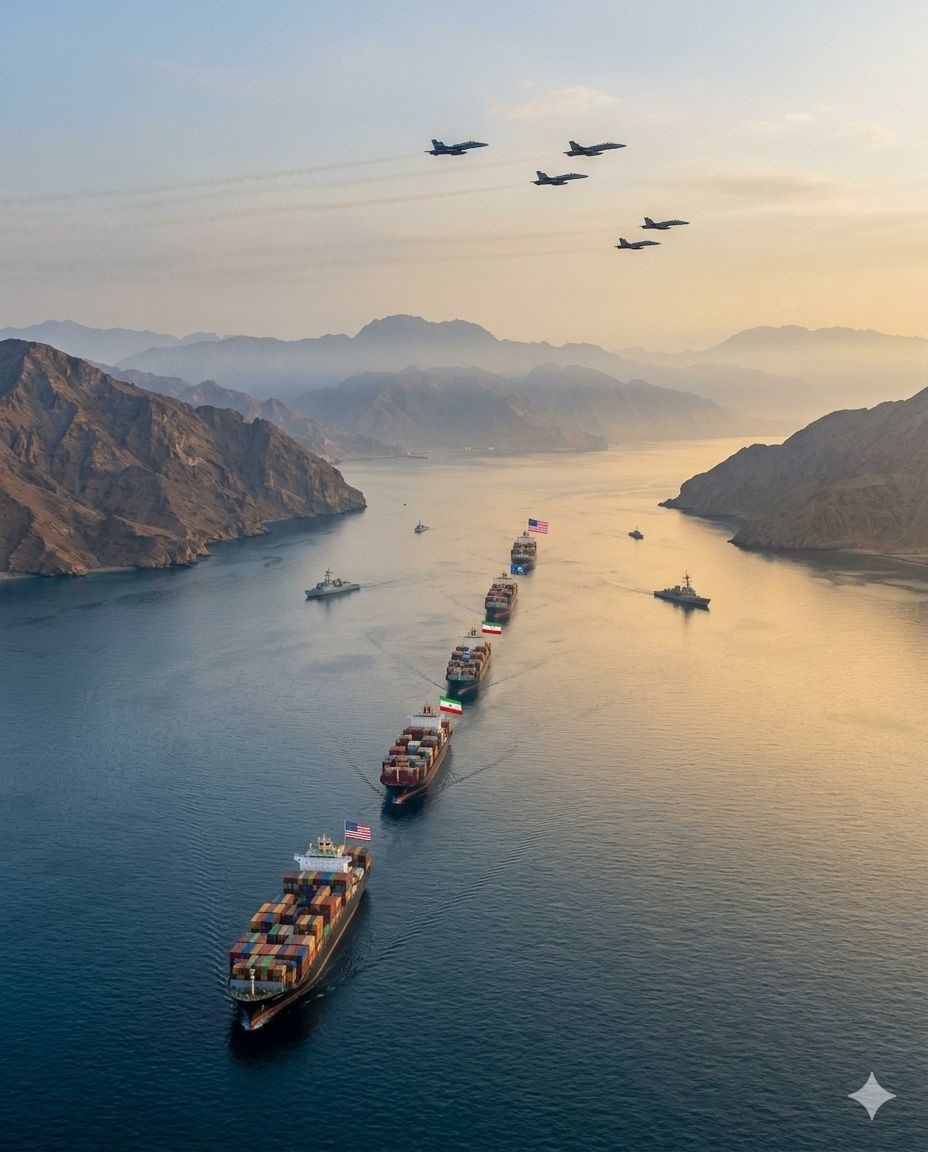
With a fragile ceasefire in place, the US and Iran are locked in a stand-off over the strait, through which a fifth of the world’s traded oil and gas passes in peacetime.
The US blockade is designed to prevent Iran from selling its oil, depriving it of crucial revenue while also potentially creating a situation where Tehran has to shut off production because it has nowhere to store the oil.
The strait’s closure, meanwhile, has put pressure on Trump, as oil and gasoline prices have skyrocketed ahead of crucial midterm elections, and it has pressured his Gulf allies, which use the waterway to export their oil and gas.
The closure has also had far-reaching effects throughout the world economy, raising the price of fertiliser, food and other basic goods. The proposal would push off negotiations on Iran’s nuclear programme to a later date. Trump said one of the major reasons he went to war was to deny Iran the ability to develop nuclear weapons.
The two officials, who had knowledge of the proposal, spoke on condition of anonymity to discuss the closed-door negotiations between Iranian and Pakistani officials this weekend. The ‘Axios news’ outlet first reported Iran’s proposal. It came as Iran’s Foreign Minister visited Russia, which has long been a key backer of Tehran. It’s unclear what, if any, assistance Moscow might offer now.
Meanwhile, US Secretary of State Marco Rubio says a purported offer from Iran to reopen the Strait of Hormuz under strict conditions is not acceptable to the United States or others. Speaking in a Monday interview with Fox News, Rubio said Iran has a different view of the strategic waterway than most of the rest of the world.
“What they mean by opening the straits is, yes, the straits are open, as long as you coordinate with Iran, get our permission, or we’ll blow you up and you pay us.
That’s not opening the straits. Those are international waterways. They cannot normalise, nor can we tolerate them trying to normalise, a system in which the Iranians decide who gets to use the waterways,” Rubio said.
Strait of Hormuz remains blocked: Iran’s ability to choke off traffic in the Strait of Hormuz, the narrow mouth of the Persian Gulf, has proved one of its biggest strategic advantages in a war that has often boiled down to which side can take more pain.
Oil prices have risen steadily since the war began and tankers full of crude became stranded in the Persian Gulf, unable to safely transit through the strait and reach global distribution points.
On Monday, the spot price of Brent crude, the international standard, was trading at around $108 per barrel, nearly 50 per cent higher than when the war began.