44,660 dog-bitecases reported inlast five years: RTI
| Date :05-Apr-2026 |
Staff Reporter :
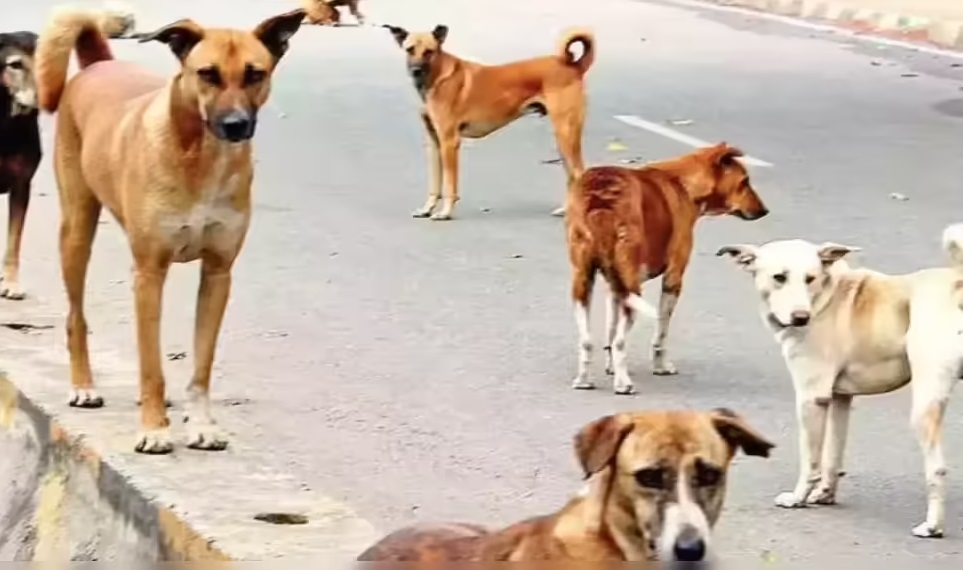
SINCE 2021, Nagpur has recorded a staggering 44,660 dogbite incidents, resulting in 9,946 significant injuries. The figures show a persistent year-on-year increase in the attacks,
with a peak of 10,944 cases and 2,173 injuries in the year 2025.
Recent data
obtained from
the Nagpur
M u n i c i p a l
C o r p o r a t i o n
(NMC) Health
D e p a r t m e n t
through Right to
I n f o r m a t i o n
(RTI) initiated by
activist Abhay
Kolarkar, paints
a grim picture of the city’s escalating stray dog menace.
Perhaps
most alarming is the data for the first two months of 2026,
which shows 1,060 dog-bite cases and a sudden spike in fatalities, with 8 rabies-related deaths already recorded by the end
of February.
Escalating attacks raise public safety concerns
IN 2021, the city recorded 5,800 dog-bite cases, a number that
surged to over 8,300 in 2022, 9,110 in 2023, 9,429 in 2024, while
in the year 2025, the figure crossed the 10,000-mark with
10,944 such cases. The RTI data reveals a broader problem
with urban wildlife and stray animals. Between April 2021 and
February 2026, 6,126 individuals were bitten by other animals,
including monkeys and donkeys, with the number of these
other attacks more than doubling from 546 in 2021-22 to 2,238
from April 2025 to February 2026.
Sterilisation efforts vs ground reality
TO CURB rising population, the NMC’s Solid Waste
Management Department has intensified its Animal Birth
Control (ABC) programme. Since mid-2023, three specialised
agencies have sterilised a total of 69,389 dogs across centres in Bhandewadi, Gorewada, and
Maharajbagh. This includes
35,264 males and 34,136
females.
However, despite these
mass sterilisation efforts, the
RTI response indicates a
complete lack of progress in
relocating stray animals from
high-traffic public areas.
When asked how many
dogs had been moved from
railway stations, courts, and
other public squares to shelter homes following the court
orders, the administration’s
official response was ‘Nil’
(Zero).
Call for administrative action
THE data provided by Epidemic Officer Dr Govardhan
Navkhare and Public Information Officer Suresh Shivankar,
serves as a stark reminder that sterilisation alone may not
be enough to curb the immediate danger. With rabies deaths
in early 2026 already surpassing the total for the previous
two years combined, citizens are demanding more visible
preventive measures and the strict enforcement of relocation mandates for stray animals in public hotspots.