What are you consuming, real paneer or a substitute?
| Date :07-Apr-2026 |
By Reema Mewar :
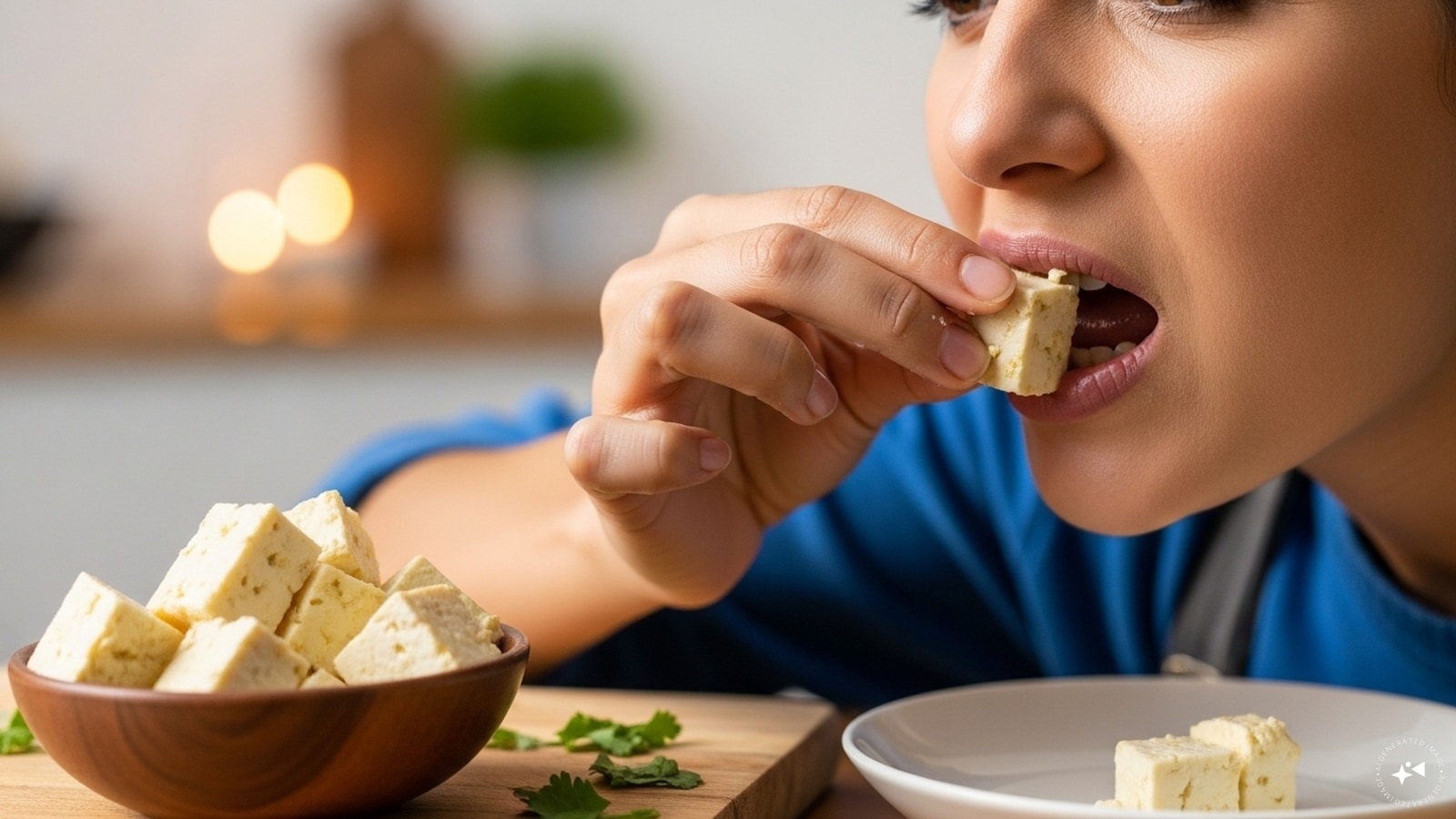
Adulterated paneer is often made using palm oil, along with starch and preservatives such as formalin n Over time, consumption of fake paneer may lead to obesity and related chronic health conditions
Amid growing concerns about adulterated dairy products, paneer or cottage cheese, has increasingly come under public scrutiny. During raids conducted by Food and Drug Administration (FDA), between April 1, 2025 and February 28, 2026, four out of 45 samples were found unsafe, whereas nine were substandard and 22 were standard. As per the officials, legal action has been initiated against the defaulters.
Adulterated or imitation paneer is often made using vegetable oils, most commonly palm oil, along with starch and preservatives such as formalin. In some cases, milk powder may be added to mimic the taste of real paneer. These products are designed to replicate the texture and appearance of traditional paneer, making it difficult for consumers to distinguish between the two, especially in unlabelled or loose sales.
Nutritional concerns
According to Dr Pramod Gandhi, an endocinologist, real paneer and paneer made of vegetable fats differ significantly in nutritional value. “Traditional paneer made from cow/buffalo milk contains protein and healthy fats. In contrast, imitation products may offer higher calorie content with little to no meaningful nutrition. This imbalance (high calorie intake with low nutritional
benefit) can lead to obesity over time. In
the long run, such dietary patterns cause conditions like Type-II diabetes, insulin resistance, Polycystic Ovary Syndrome (PCOS), and eventually, chronic heart and kidney diseases.
How to check paneer at home
Dr Gandhi suggested a few basic methods consumers can use to check paneer quality at home, though these are not entirely fool-proof depending on the ingredients used. “Adding a few drops of iodine tincture to paneer can help detect starch. If the paneer contains starch, the colour changes to dark blue; otherwise, it remains yellow. Another method is boiling paneer, draining it, and adding powdered toor dal. The paneer will start turning bright red colour if adulteration is present.”
These methods may not work every single time depending on varying ingredients, but Krishna Jaipurkar, Joint Commissioner, FDA, added that consumers who suspect adulteration can submit samples to the department
for testing, as laboratory tests are the most reliable ways to determine the quality of paneer being consumed.
“One of the best ways to ensure quality is to prepare paneer at home. The process is relatively
simple and allows complete control
over ingredients,” advised Dr Gandhi. “If that is not possible, sprouts and pulses
are also an excellent source of protein for vegetarians.”
‘Talks of usage of
detergent or urea
in paneer are untrue’
Krishna Jaipurkar also told The Hitavada that commonly circulated fears about detergent or urea being used in paneer are largely untrue, especially for Nagpur.
According to him, while such substances may be used in milk adulteration, but no such cases have been detected in the city, so far.