City restaurants fall back on tandoor and coal as LPG cylinder crisis bites
| Date :09-Apr-2026 |
By Simran Shrivastava :
Commercial Liquified Petroleum Gas (LPG) cylinder shortage has forced city hotels and restaurants to cut gas-dependent menu items and switch to coal furnaces, wooden sigdis and tandoors to keep kitchens running, with some establishments stopping chapati and tawa roti orders altogether. This comes in the backdrop of the commercial cylinder seeing a cumulative price hike in city of around Rs 300 in 2026 so far. On top of that, restaurant owners have alleged that they are now receiving only half of the required daily need of LPG cylinders.
Coal, wood-fired sigdis now in use: According to Vilas Panchbhai, a city restaurant owner, items requiring heavy gas usage have been entirely dropped from the menu, while tandoor items have been increased. Coal and wood-fired sigdis have been bought and brought into use for gravies at the restaurant. Moreover, he lamented that the restaurant needs at least one commercial cylinder a day, but he is unable to manage the same.
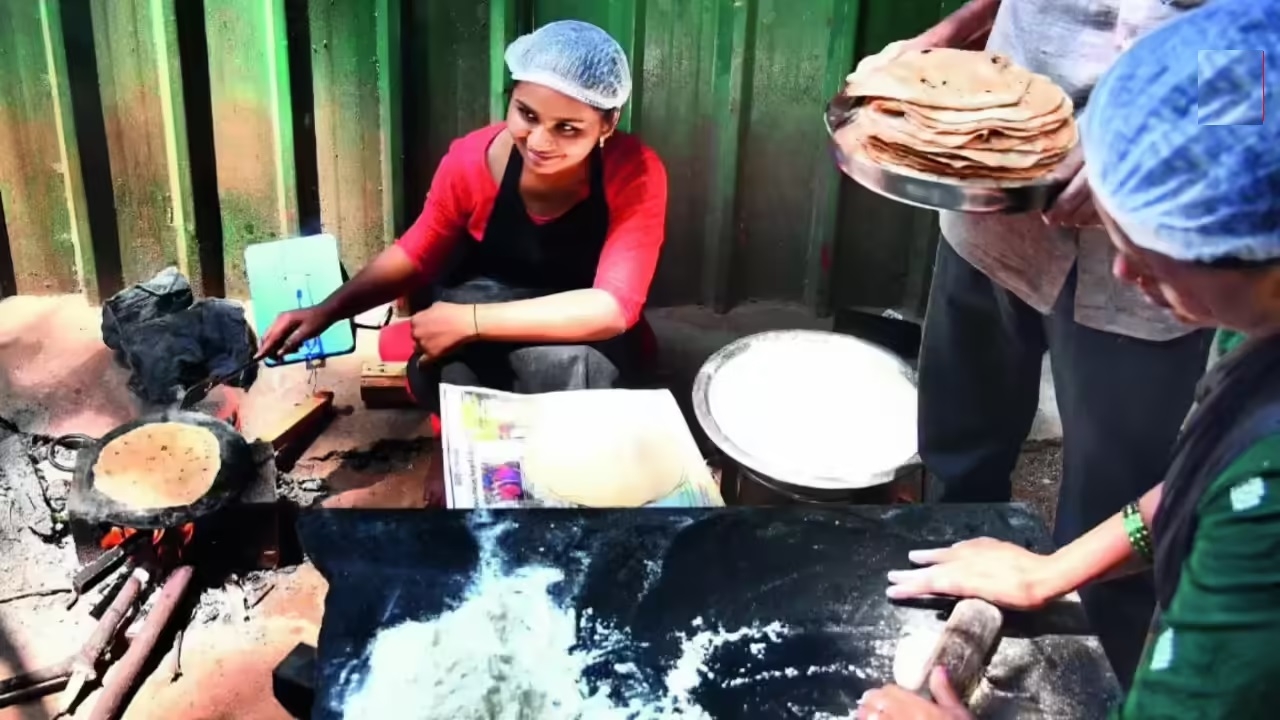
Tandoor replaces tawa for roti:
Kunta Patle, a hotel captain, told that chapati and tawa roti orders at the restaurant she works at have been stopped entirely. The tandoor has replaced the tawa for roti, staff meals are now cooked on wood-fired stoves. She told that her restaurant sees a footfall and gets 6 cylinders per month generally, but now they are having to work with just 2.
Preparation time rises by 50 percent: Manoj Sethi, director at another city restaurant, told that his kitchen has shifted its main gravies and biryanis to coal furnaces and wood-fired stoves, reserving gas only for tawa service. Preparation time has risen by 50 per cent.
“When we started the restaurant, we used to cook on coal furnaces and wood. Then, gradually, we shifted to gas. Now, we have gone back to wood and coal,” he shared. He mentioned the issues he is facing because of this.
“There is a lot of smoke when you burn wood or coal. It is not good for the environment. Plus, there is a bit of difficulty in getting supplies for these traditional cooking methods.”
He added that, for his restaurant, he requires around 20 cylinders per month.
However, that is not feasible anymore.
Induction manages tea, coffee :
Another hotel shared that as due to receiving only half its required cylinder allocation, its live counter for chapati and bhakri has been shut. Tandoor items and snacks have been pushed forward on the menu, while electric induction cooktops now handle tea and coffee. He shared that earlier, their restaurant used to get 4 cylinders per month, which has now reduced to 2.
The pattern across these establishments reflects the range of responses the city’s hospitality sector has improvised in the absence of reliable gas supply: a return to fire and clay where possible, a trimming of menus where it is not, and a renegotiation between kitchen capacity and customer expectation.