Dengue, Chikungunya cases on rise as NMC fails to control mosquito outbreak
| Date :09-Apr-2026 |
By Kabir Mahajan :
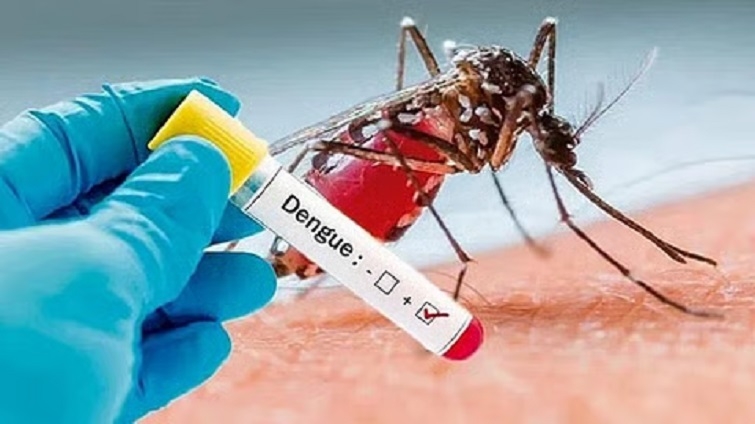
Rise in cases is directly linked to mosquito species that thrive in urban environments: Anopheles mosquito and Aedes Aegypti
The city has witnessed an upsurge of mosquitoes as in merely the first three months of 2026, and has already recorded ten dengue cases, which is equivalent to the first quarter of last two years combined. As the city transitions into warmer months, a familiar and dreaded hum has returned to residential areas. While the mosquito population surges, data from the Nagpur Municipal Corporation (NMC) Malaria Department reveals a shifting landscape of disease.
A look at numbers: 2024-2026
The year 2024 served as a stark reminder of the city’s vulnerability. According to municipal records, the city recorded a total of 133 positive Dengue cases and 21 Chikungunya cases throughout 2025. This followed a heavy 2024, which saw a much higher burden of 201 Dengue cases and a staggering 1,090 Chikungunya cases. While Malaria cases remained exceptionally low with only two cases reported in 2024 and zero cases in 2025, the trend for 2026 is already raising alarms. In just the first three months of 2026, the city has already recorded 2 positive Malaria cases (PV).
Failing household defenses
Residents across the city complain that household repellents have become obsolete. “The mosquitoes here are seemingly immune now,” says Amit Bhatghare, a resident of Friends Colony. “We use repellent machines, but they are failing. We actually see mosquitoes sitting on the machines as if they are enjoying the heat.”
Mosquitoes behind the surge
The rise in these statistics is directly linked to specific mosquito species that thrive in urban environments: Anopheles Mosquito: The primary carrier of Malaria. These mosquitoes typically breed in clean, stagnant water and are most active at night. The emergence of two cases early in 2026 suggests their breeding grounds are already active. Aedes aegypti: The culprit behind Dengue and Chikungunya. Known as ‘day-biters’, they breed in very small amounts of water, such as in flower pots, discarded tires, or coolers. The high Chikungunya count of 1,090 in 2024 highlights how quickly this species can spark an epidemic if household breeding isn’t controlled.