How safe is food you consume?
Date :11-May-2026
Staff Reporter :
With the intense heatwave in the capital city of Bhopal, there has been a massive surge in the demand for food items, especially cold beverages. Prioritising public health, teams from the Food Safety Administration (FSA) have been continuously conducting intensive inspection drives in the city’s major markets, New Market, MP Nagar, No. 6, and the Old City.
During this campaign, dozens of samples of mango shakes, juices, and other food items have been collected for testing. However, amidst this administrative proactivity, a serious technical flaw has
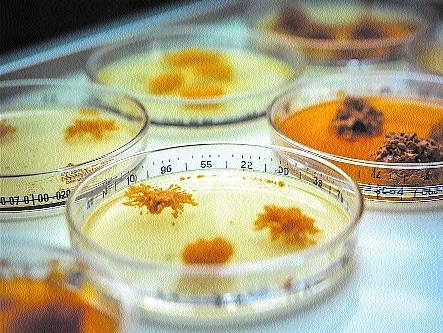
surfaced that directly concerns the health of common citizens. A closer look at the testing protocol reveals a glaring gap. While samples are being checked for basic adulteration and chemical composition, the most critical aspect of summer food safety, microbiological testing, is currently not being conducted. When ‘The Hitavada’ team contacted Pankaj Shrivastava (District Food Safety Officer, Bhopal), he confirmed the situation. He informed that currently, microbiological testing of samples is not being conducted in the local lab. While we perform tests for common adulteration, such as checking for water in milk, the purity of paneer, and other quality standards in edible items, this specific microbiological analysis is not performed here.
Health experts suggest that food adulteration can be fatal and without microbiological testing, it is impossible to determine the extent of contamination in juices or food items. According to scientific standards, the safety of any food product cannot be certified until it is tested at both chemical and microbiological levels.
An even greater threat is posed by micro-organisms that are impossible to detect without a ‘microbiological test.’ Deadly bacteria like E. coli and Salmonella thrive in contaminated water or in the absence of hygiene. Once they enter the body, they cause diseases such as typhoid, jaundice, and severe food poisoning. If the infection worsens, it can lead to kidney failure and affect the nervous system.
When the team of ‘The Hitavada’ spoke to a few persons, some shocking experiences came to light.
Anand, a student living in Bhopal who relies mostly on outside food, shared that he used to eat daily at a local hotel. According to Anand, “The food and cleanliness there appeared quite good to the eye, but I suffered from severe food poisoning. I fell dangerously ill and then realised that what looks clean is not always pure.” Similarly, Sonali, who is conscious about her health and diet, mentions that she used to drink juice from outside to maintain her healthy lifestyle.
However, she noticed that shopkeepers were using lethal colours and various synthetic elements just to make the juice look appealing.The lack of smooth microbiological testing facilities at the Government laboratory is a major hurdle. It is clear that the department is currently distanced from the process of microbiological testing. Issuing a ‘clean-chit’ to any food item without a microbiological report is scientifically and legally incomplete. While the sampling process being carried out is commendable, it is mandatory to strengthen the technical resources of the lab. When ‘The Hitavada’ team contacted Pankaj Shrivastava (District Food Safety Officer, Bhopal), he informed that currently, microbiological testing of samples is not being conducted in the lab. However, our teams are continuously active in the field, and sampling of suspicious food items is being carried out. During the investigation, if any sample is found lacking in standards or is deemed ‘unfit’ for human health, cases are filed against the concerned vendors in court. The impact of this is also visible; within the last 2 to 3 months, legal proceedings have been completed in about 70 cases, with fines of approximately Rs 7 to 8 lakh imposed on the offenders.”