The Kintsugi Way Of Life
| Date :11-May-2026 |
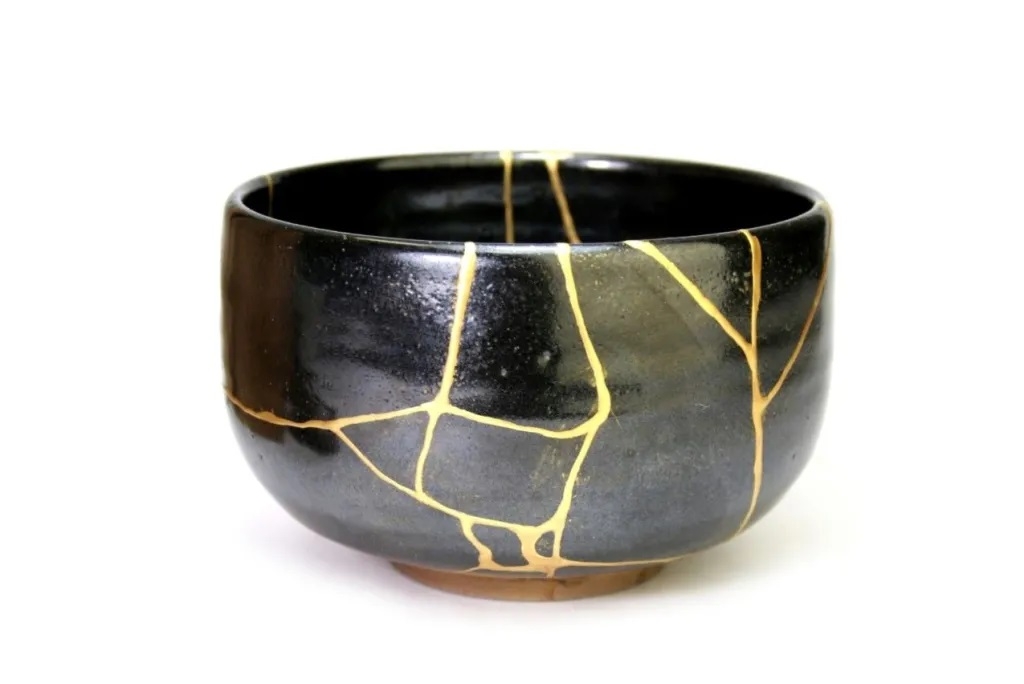
IN JAPAN, when any crockery item or
vase breaks, it is not discarded, rather
the Japanese reconstruct it. And thus,
they create another beautiful item from
something that was broken and seemed
useless. Something that was considered
trash before now
becomes an antique
designer artifact that
has elevated value.
This art is known as
Kintsugi.
Instead of hiding
cracks or breakages,
Kintsugi highlights
them and makes
them a part of a transformational story
rather than a matter of
disguise.
But Kintsugi is beyond pottery, crockery and ceramic redesigns. It enforces a
strong concept--Your perception is what
shapes reality!
One scenario, two different perceptions leading to two different
outcomes. If you perceive the broken
crockery as damaged, it leads to it being
discarded. On the other hand, if we see
the crack as history and strength, we create a valuable piece of art.
Now lets see the same principle from
the lens of life. The breaks are the challenges one faces in life or the imperfections one has, which break and shatter
one into pieces. If one sees imperfections
as defects it will only lead to dejection,
self doubt and a lifetime of insecurities.
On the other hand, if we follow the principle of Kintsugi we accept the imperfections, understand that what breaks us is
not bad and embrace the
same with the lacquer of
patience, time, healing, self acceptance,
growth and care...we
become a piece of art!
The precious metals mixed in lacquer,
while redesigning the
crockery, can be
metaphorically seen
as the qualities one
gains in the process
of healing, like wisdom, resilience, confidence, compassion
etc. Kintsugi is beyond just creating art,
the grass root thought is that beauty doesn’t lie in being perfect but in embracing
the imperfections.
So if you are overthinking all the worst
case scenarios in your head , think about
what would happen if you thought about
the best scenarios. If you are broken, it
doesn’t signify that you are
useless, maybe you are just
the next piece of art in the
making!

By Anika Santani