Paneer fraud: Restaurants continue to ignore analog paneer disclosure rules
| Date :13-May-2026 |
By Simran Shrivastava :
FDA order falls flat as restaurants continue serving analog paneer without informing customers
Food lovers in Nagpur may not really know what is being served on their plates. Despite clear directions from food safety authorities, several restaurants and eateries across the district are continuing to serve analog paneer without informing customers whether it is real milk-based paneer or a cheaper substitute.
The Food and Drug Administration (FDA) appears to be struggling to enforce its own order issued on April 14 which raises question over transparency in the food business.
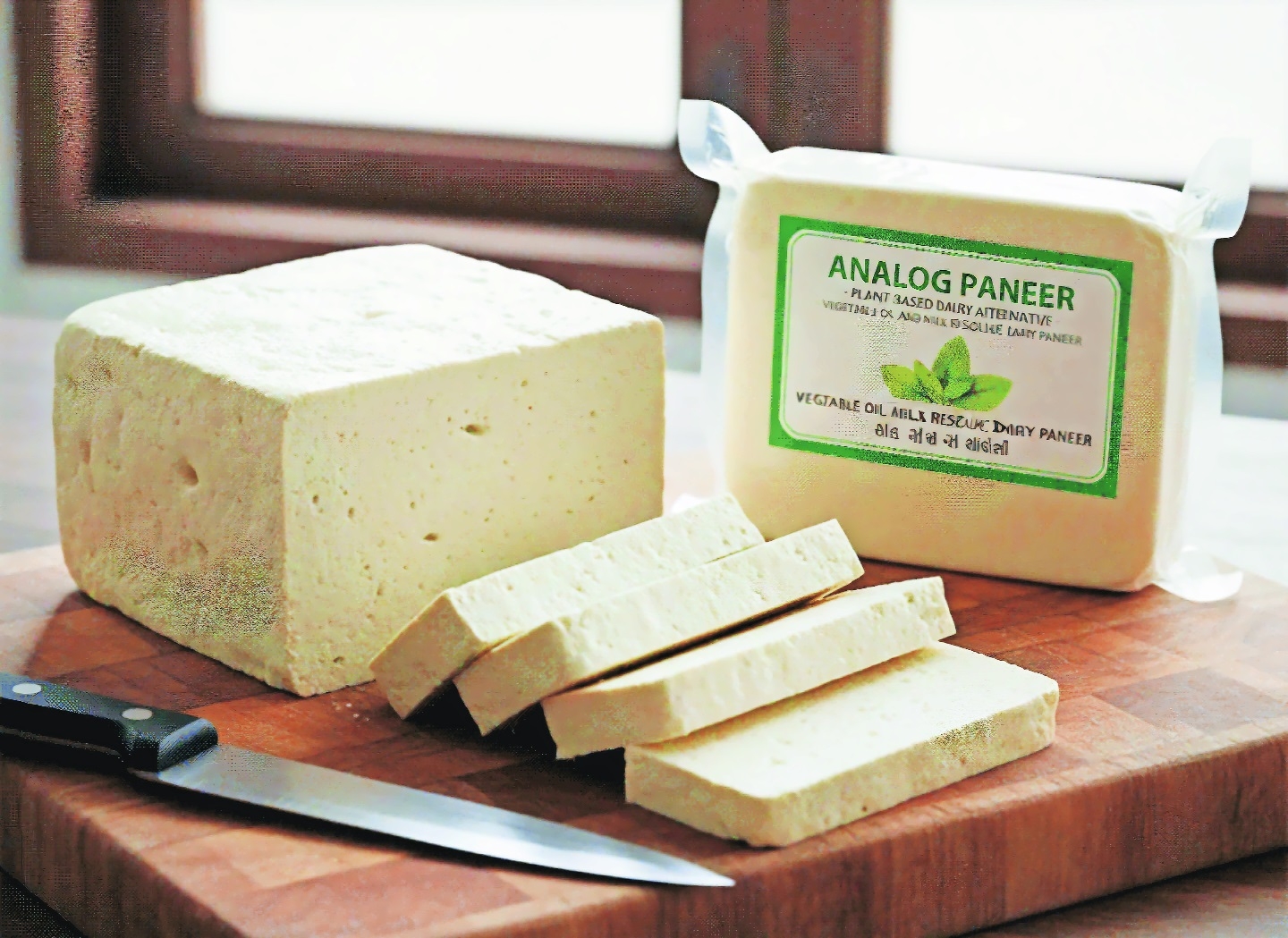
Following directions from the Food Safety and Standards Authority of India (FSSAI), the FDA had made it mandatory for restaurants, hotels and caterers to clearly mention if they were using ‘cheese analog’ - a vegetable fat and starch-based substitute often referred to as fake paneer - instead of traditional milk-based paneer.
The rule came into effect from May 1, 2026. However, a ground
check by ‘The Hitavada’ at several food outlets across Nagpur found almost no compliance with the order.
None of the establishments visited had displayed any information clarifying whether the paneer used in dishes was genuine dairy paneer or analog paneer.
The move was aimed at helping customers make informed choices about the food they consume. Food experts have often pointed out that analog paneer is cheaper to produce and is increasingly being used in commercial kitchens, especially in bulk cooking, due to lower costs and longer shelf life.
Despite the directive being in force for over a week, restaurants and eateries continue business as usual, with no visible monitoring or enforcement action by the FDA. There are nearly 2,100 large restaurants and food establishments operating in the district, and the norms are being blatantly ignored across most of those. According to Rohan Shah, Assistant Commissioner, (FDA), the district administration even launched a month-long awareness campaign across the district before enforcement began.
The campaign included newspaper notices, meetings with hotel and restaurant owners, and bulk emails sent to licensed food establishments regarding the new norms. Informational videos explaining food labelling and ingredient disclosure norms were also screened at theatres across the district.
He shared that enforcement drive began earlier this month, with food inspectors conducting 102 inspections between May 5 and May 11 across Nagpur district. “During the inspections, we found that 20 establishments had failed to install the mandatory disclosure boards or provide proper information regarding the type of paneer being used,” he added. Show-cause notices have been issued to these establishments.
He explained that inspectors are not relying solely on display boards during inspections.
Teams are also examining raw material purchase bills and procurement records to verify whether establishments are purchasing traditional paneer or analog products.
Shah has warned that failure to comply within the stipulated period could invite penalties and legal action under the Food Safety and Standards Act, 2006.
The FDA clarified that analog paneer or cheese analogue is not illegal. However, Shah concluded by stressing that consumers must be informed about what they are being served.
What is the difference between milk paneer and analog paneer?
Paneer is defined as a product made exclusively from milk, while cheese analogue products are generally manufactured using edible oils, starches, emulsifiers, vegetable fats, and other additives, though they may resemble traditional paneer visually. Milk paneer is natural, made from curdled dairy milk, rich in protein, and soft in texture. In contrast, analog paneer is a cheaper, processed alternative made, often appearing rubbery and lacking the high protein content of real paneer.