Centre’s HPV campaign lagging in Maharashtra due to misinformation
| Date :16-May-2026 |
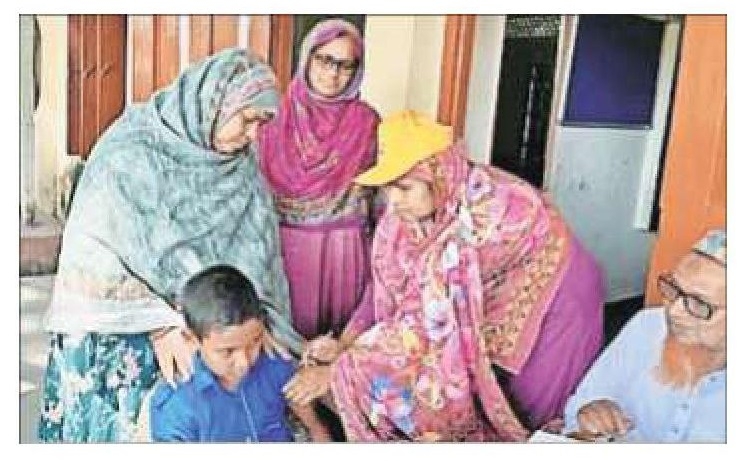
By Reema Mewar :
Health officials say fear-driven misinformation around HPV vaccines is slowing immunisation efforts and putting young girls at long-term risk
As of May 14, the NMC has vaccinated 2,660 young girls, and nearly 3,000 additional beneficiaries opted to receive the vaccine through private hospitals
Even after Prime Minister Narendra Modi launched the nation-wide Human Papillomavirus (HPV) campaign for 14-year-old girls in February, Nagpurians are hesitating to accept the vaccine due to widespread misinformation and rumours.
Despite the Nagpur Municipal Corporation’s (NMC) efforts to vaccinate every girl in the age group of 14 to 15 years, the health department is struggling to convince people due to lack of proper awareness.
City-based gynecologist Dr Rupeshri Bhoyar said, “Vaccines are introduced into public immunisation schedules only after extensive scientific evaluation, and because they play a critical role in disease prevention. These diseases can create major health complications later in life if preventive measures are ignored. HPV is a sexually transmitted infection that can eventually lead to cervical cancer.
Vaccination significantly reduces those risks,”
Misinformation around women’s reproductive health often stems from societal attitudes that place greater importance on a woman’s ability to bear children than on her overall well-being and quality of life.
“A lot of fear surrounding the HPV vaccine is connected to infertility rumours, but there is no scientific evidence supporting such claims,” Dr Bhoyar said. “Women’s health cannot be viewed only through the lens of childbirth. Preventing future
diseases and ensuring a healthy life is equally important,”
she elaborated.
According to Dr Sarla Lad, Nodal officer for Medical Termination of Pregnancy (MTP) and Pre-Conception and Pre-Natal Diagnostic Techniques (PCPNDT), a significant section of vaccine hesitancy is being driven by unfounded rumours circulating within communities, particularly among lesser educated groups.
These rumours, she said, are discouraging parents from allowing their children to receive essential vaccines and are also contributing to the spread of fear among others.
As of May 14, the NMC has vaccinated 2,660 young girls under its HPV vaccination initiative, which is around 12 per cent of their target. Nearly 3,000 additional beneficiaries opted to receive the vaccine through private hospitals instead of municipal facilities. Dr Lad stated that the NMC has maintained records of individuals who received the HPV vaccine and no adverse effects have been reported. “Not even minor complaints such as fever were reported, let alone infertility,” she claimed.
Despite repeated awareness efforts, the response has remained slower than expected. Dr Lad said, “NMC has conducted targeted awareness campaigns, one-on-one counselling sessions, and outreach programmes involving local doctors, clinicians, and religious leaders because people are more likely to trust familiar figures within their own communities,” she said.