Nagpur’s tea habits expand to matcha, herbal variants
Date :21-May-2026
By Simran Shrivastava
and Saniya Chakraborty :
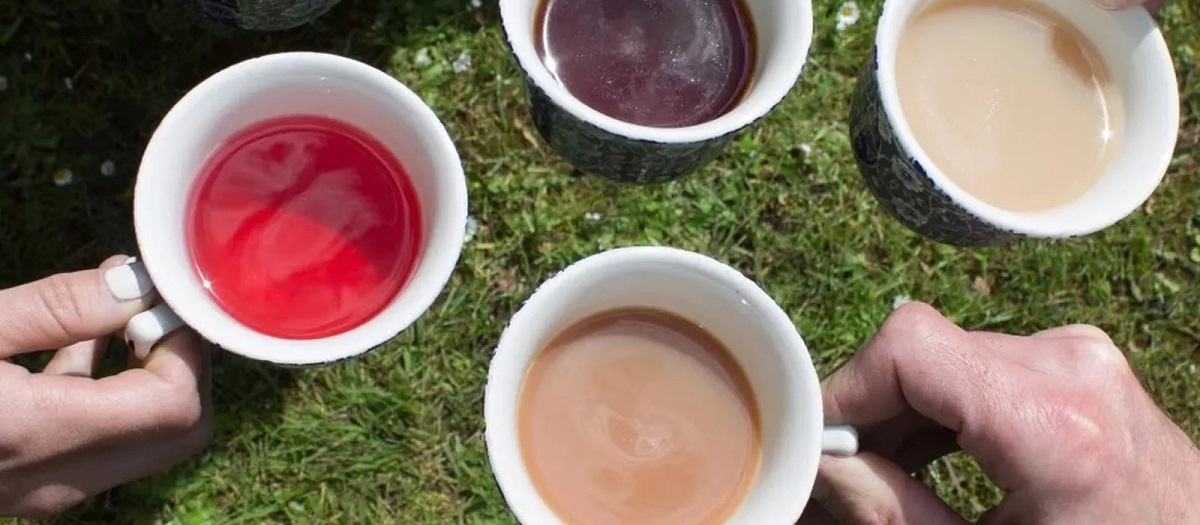
Summer heat might be searing through the city streets, yet it has not affected Nagpurians craving for tea, which remains unsatiated. Heat or rains or chilly winds, Nagpurians are drawn to tea just like bees to nectar. Over the year one is witnessing a significant change in tea culture. The tea preferences of Nagpur are moving from chai tapris to the branded outlets which have popped up across the city. The younger customers especially are finding themselves drawn to newer tea options such as lemon tea, gud tea, vanilla tea, Matcha tea, and a city local variant, Saoji tea. Yet despite the expansion of options, masala chai continues to dominate orders at most outlets.
International Tea Day is observed every year on May 21.
The United Nations adopted the date to highlight sustainable tea production and the role of small holder farmers in the global tea industry.
The proposal for the observance was first made at a conference in New Delhi in 2005.
Tea entered India during the British colonial period through plantations established in Assam and Darjeeling. Over time, the beverage was adapted to Indian taste through the addition of milk, sugar, ginger, cardamom, and spices, eventually evolving into the masala chai now common across the country.
City produces own
local variant saoji chai
In Nagpur, tea has developed its own local identity. Cutting chai paired with tarri poha remains a familiar morning combination at roadside stalls and neighbourhood tea points.
The city has also produced its own regional variants, including saoji chai, which incorporates the strong spice profile associated with Nagpur’s saoji cuisine, and maramari tea, a heavily spiced blend available at select outlets.
Demand for classic masala chai remains steady
At a tea cafe in Congress Nagar, the menu centres around masala chai prepared with adrak, elaichi, and a house spice mix. The outlet also serves lemon tea, gud chai, and vanilla tea. An employee said that while customers are trying newer flavours, the demand for classic masala chai has remained steady.
Matcha tea becomes common among youth
At a branded cafe in Dharampeth, store manager Ritika Jamtani said matcha orders have increased over the past year, driven mainly by social media exposure and rising health awareness among younger customers. She said many customers who initially did not recognise the drink now order it regularly. Even so, masala chai continues to remain the highest-selling beverage at the outlet.
Across the outlets visited, one pattern remained consistent: newer tea variants are gaining space in the city without replacing the traditional cup of chai that continues to anchor everyday consumption.
Nagpur’s tea culture, the data from cafes suggests, is expanding rather than shifting away from its roots.