No cooking oil checks in city as FDA lacks TPC testing machines
| Date :25-May-2026 |
By Simran Shrivastava :
DPC is sitting over request of funds to purchase new equipments and that hampering effective monitoring
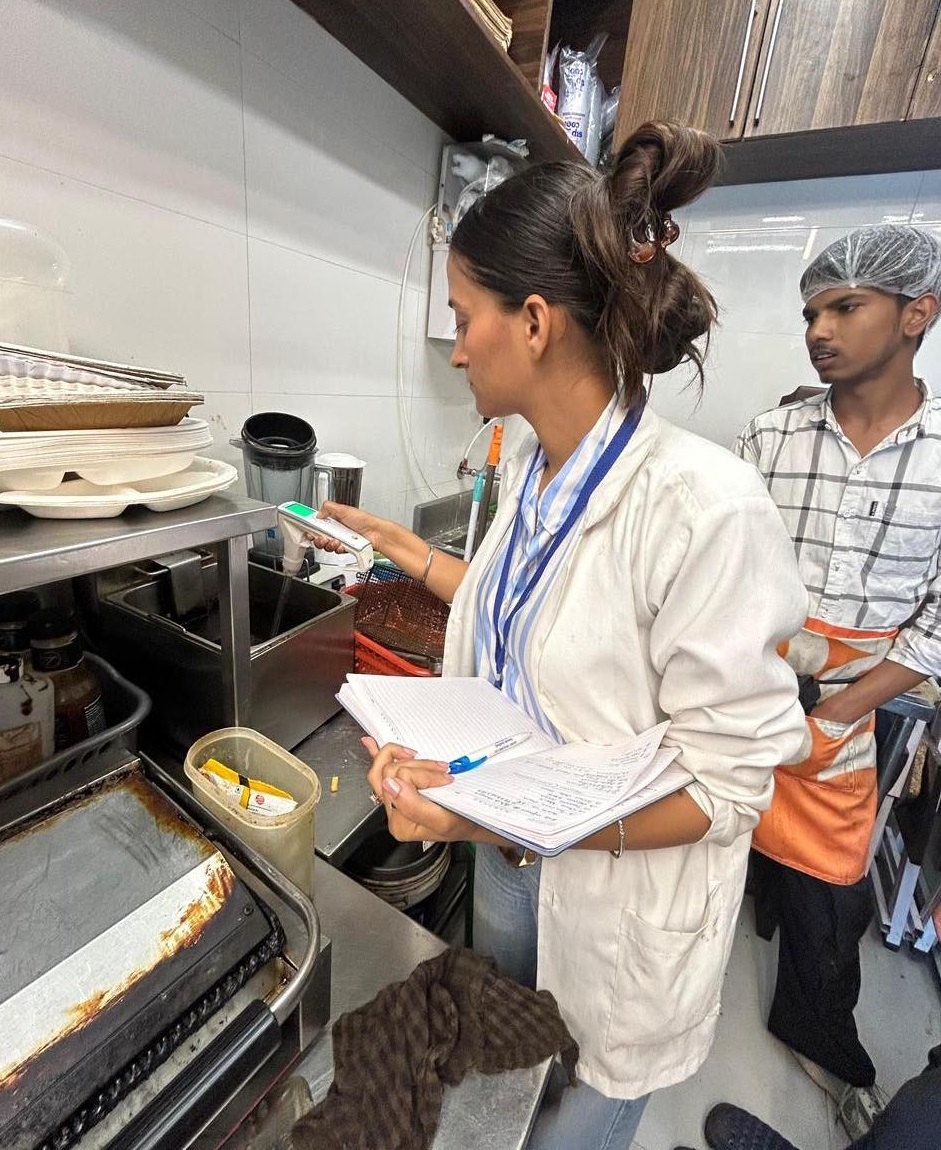
Across Nagpur, cooking oil may be getting reheated and reused far beyond permissible safety limits, but for more than three years, there has been little scientific monitoring to detect it. Food safety enforcement related to reused cooking oil has nearly come to a standstill after the Food and Drug Administration (FDA) was left without functional Total Polar Compounds (TPC) meters, the devices used to scientifically measure oil degradation in restaurants, hotels, roadside eateries, canteens, and food establishments.
Officials have confirmed that the department currently has no operational TPC meters due to lack of Government funds, which has made it difficult to determine whether cooking oil being repeatedly used for frying has crossed the safety threshold prescribed under Food Safety and Standards Authority of India (FSSAI) norms.
TPC value beyond 25 not permitted
Every cycle of reheating slowly changes the chemistry of oil. As oil is exposed repeatedly to high temperatures, its molecular structure begins breaking down through oxidation, producing degraded substances known as Total Polar Compounds (TPC). Their presence indicates the extent to which the oil has
deteriorated. Under FSSAI regulations, cooking oil with a TPC value above 25 cannot be used for food preparation. If inspectors detect readings beyond the limit, the FDA is required to collect samples and initiate prosecution proceedings.
Consuming high
TPC food leads to hypertension, Alzheimer’s
Reheating generates toxic compounds such as aldehydes and free radicals that increase inflammation inside the body and have been associated with hypertension, atherosclerosis, liver disorders, Alzheimer’s disease, cardiovascular complications, and increased cancer risk.
Degraded oil appears muddy, emits rancid odour
For consumers, however, the danger often remains invisible. Without access to scientific testing devices, people are left to rely on sensory signs. Experts say oil that appears muddy, produces excessive smoke before reaching frying temperature, develops heavy foaming, or emits a rancid odour is often chemically degraded. Oxidised oil frequently carries a stale smell resembling paint or crayons, signalling advanced deterioration.
FDA seeks 10 TPC meters,
each costs Rs 50,000
FDA officials said one or two TPC meters were supplied around 2020-21, but the machines stopped functioning during 2022-23 after battery failures and expiry of warranty periods. Since then, inspections specifically linked to reused cooking oil have been severely affected. Officials admitted the department presently has taken limited major action in the recent days due to the lack of required machinery.
To revive inspections, the department has sought funds for around 10 new TPC meters costing nearly Rs 50,000 each. Proposals have been repeatedly submitted before the Commissionerate Headquarters and to the District Planning Committee (DPC) through former Collector Dr Vipin Itankar and continued under current Collector Kumar Ashirwad. According to officials, the issue is expected to be raised again during the next advisory committee meeting. FSSAI guidelines encourage restaurants and hotels to hand over used cooking oil to authorised collection agencies under the RUCO initiative launched in 2018, which converts discarded oil into bio-diesel. Officials said several organised hotels in the city already follow the practice.