From Bargi to Jhabua: Why act only after disasters strike?
Date :07-May-2026
By Ashish Rajput :
A troubling pattern of reactive governance has once again come into focus following a series of incidents across Madhya Pradesh, where safety measures appear to be enforced only after tragedies occur.
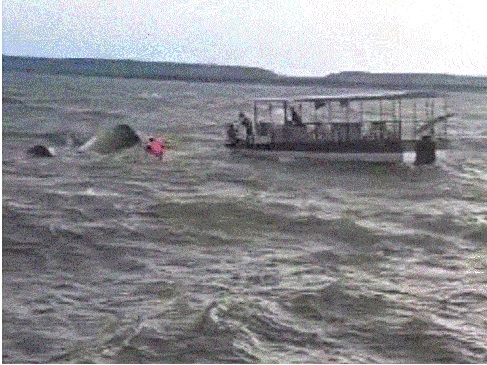
The recent cruise capsizing at Bargi Dam, which resulted in multiple casualties, prompted authorities to suspend cruise operations across the State and initiate emergency safety inspections. While the swift response was welcomed, it also raised a familiar question, why are such measures implemented only after lives are lost?
This concern is not isolated. Earlier, a giant swing collapsed at a fair in Jhabua district, injuring 14 students. The incident triggered a State-wide campaign to inspect amusement rides and ensure compliance with safety standards. Similarly, every festive season witnesses heightened activity by the Food Safety Department, which conducts raids and inspections in markets. These drives often uncover unhygienic food preparation practices and substandard items being sold to the public.
However, once the festive period ends, enforcement tends to weaken, allowing the same unsafe practices to return.
A comparable trend is observed in the education and transport sectors also. Accidents involving school vehicles frequently lead to temporary crackdowns, with officials checking fitness certificates, driver credentials and safety arrangements in schools.
Fire incidents in commercial and residential buildings also result in short-term
inspection drives and compliance checks.
Despite these repeated interventions, experts argue that the fundamental issue lies in the lack of sustained enforcement. “Regulations exist, but
their implementation is inconsistent. Campaign-based action creates awareness, but without continuity, the impact is minimal,” said a senior administrative official.
Citizens have also voiced frustration over what they describe as a cycle of negligence. According to many, authorities tend to become active only in response to public outrage and media attention, rather than maintaining regular oversight.
The consequences of this approach are evident, temporary improvements followed by a gradual return to old practices. Overcrowded vehicles, poorly maintained infrastructure, and compromised safety standards continue to pose risks to public life. As Madhya Pradesh grapples with these recurring challenges, the need for a proactive and sustained safety framework has become more urgent than ever. Experts emphasise that continuous monitoring, strict accountability and institutional reforms are essential to break this cycle.
The recent incidents serve as a stark reminder that safety cannot be treated as a periodic campaign.