New fuel restriction casts shadow on sanitation, cleanliness operations
| Date :20-Jun-2026 |
By Kabir Mahajan :
Essential public services in city, including door-to-door waste collection, drainage cleaning, mosquito fogging, and the capture of stray animals, face a major threat of disruption. The looming crisis stems from the Union Ministry of Petroleum and Natural Gas’s strict new diesel procurement norms, which have upended the Nagpur Municipal Corporation’s (NMC) routine refueling operations.
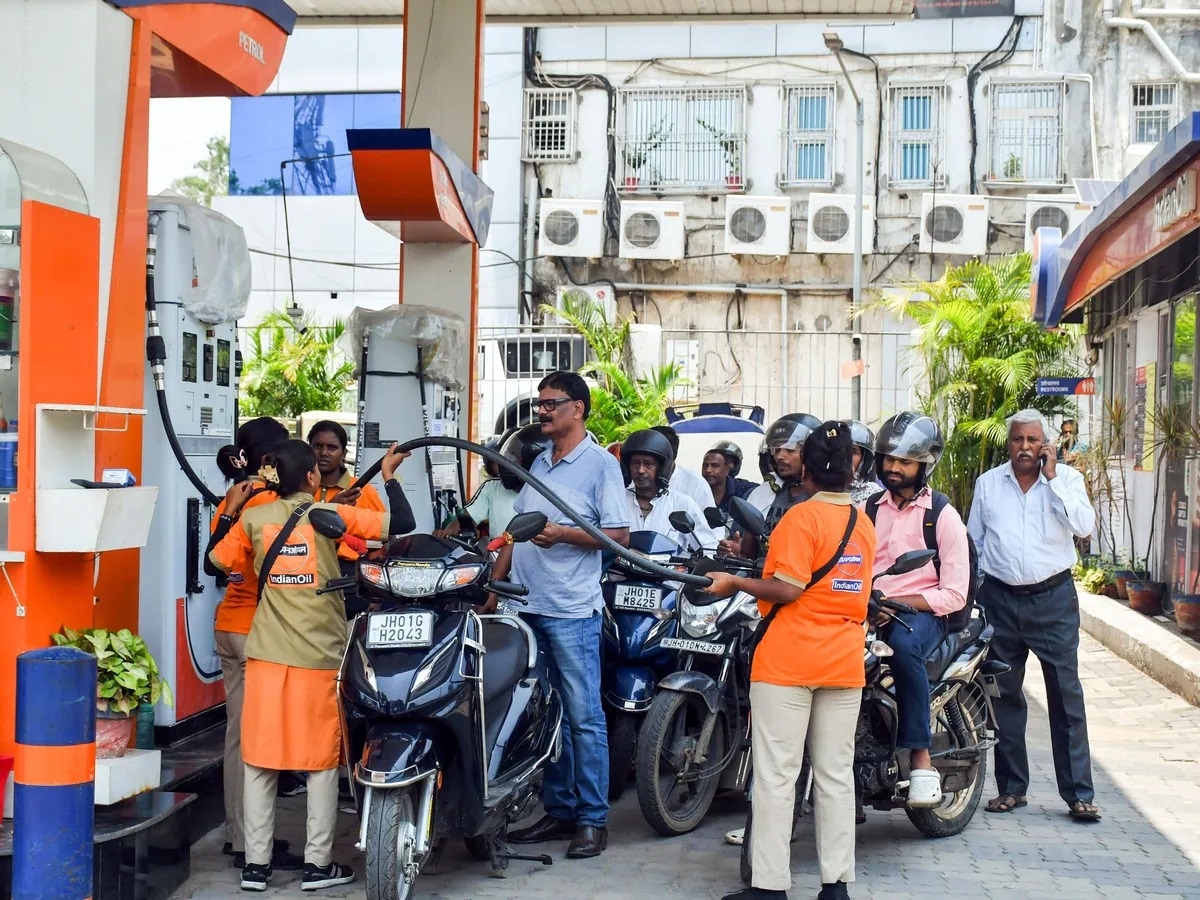
The regulatory shift, enacted via a notification on June 11, restricts high-volume, bulk diesel procurement through retail
outlets. Under the directive, any purchase exceeding 200 litres must be channeled through
commercial supply routes. This has placed an enormous financial strain on institutional consumers like the NMC; bulk commercial diesel is priced at approximately Rs 140 per litre, representing a steep surge from the retail pump rate of nearly Rs 98 per litre.
With a daily consumption averaging between 5,000 to 6,000
litres, the budgetary impact on the civic body is going to be severe. Previously, NMC-authorised suppliers managed logistics by filling specialised diesel bowser tankers to refuel heavy machinery directly at active work sites. Solid Waste Management Department (SWD) alone draws roughly 2,000 litres daily to sustain 24 tippers, 24 poclain machines, ten JCBs, and jetting equipment tasked across city’s ten administrative zones. This fuel allocation also drives the de-silting of 227 drains, sewer network maintenance, and the water hyacinth removal drive at Ambazari lake.
Commenting on the ongoing crisis, Deputy Commissioner Rajesh Bhagat stated, currently our field operations are running as we continue to secure diesel from alternative locations.
However, our main objective and demand remains to secure direct, bulk procurement facilities to sustain seamless long-term services. Fearing widespread operational breakdowns as the monsoon intensifies, a civic delegation led by Bhagat recently met with District Collector Kumar Ashirwad to seek immediate intervention. While the district administration clarified it cannot alter a Central mandate, it is exploring alternative direct-supply agreements with oil marketing companies.
The operational crunch has already slowed water hyacinth removal at Ambazari lake and halted fogging operations in select blocks. Furthermore, two private waste management agencies which utilise nearly 8,000 litres of diesel daily to run 500 collection vans have raised serious viability concerns with the NMC.
With the war now over, the normalisation of supply chain might ease the pressure on Government to ease norms as to dispensation of bulk fuel from outlets. The current mechanism if it lasts longer would play havoc with basic civic services, which are inherently depends on fuel.