PLASTIC BAN since June 23, 2018 8 years, 69 tonnes seized, yet single-use plastic rules streets
Date :23-Jun-2026
By Pratiksha Shukla :
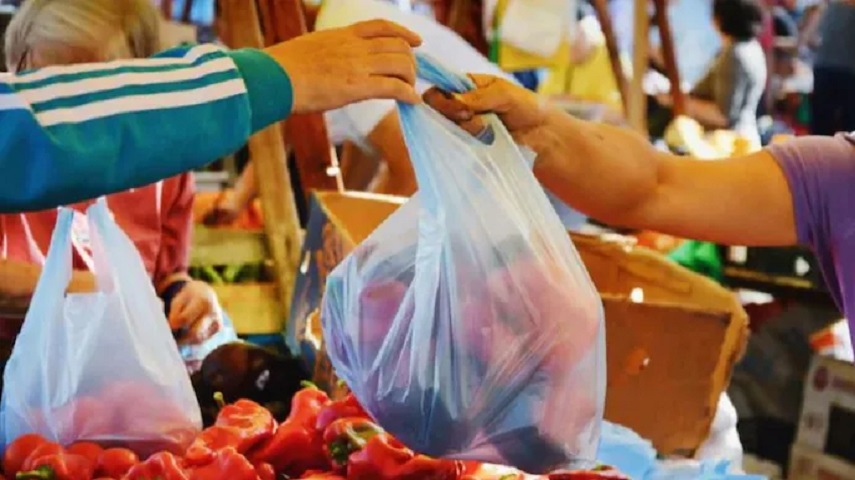
Eight years have passed since Maharashtra imposed a blanket ban on single-use plastic on June 23, 2018, but a walk through the city’s markets suggests the ban is far from fully effective. From vegetable vendors and fruit sellers to grocery stores and chicken shops, banned plastic bags continue to be handed out regularly, despite repeated drives, seizures and penalties imposed by the Nagpur Municipal Corporation (NMC).
Figures from the NMC’s Nuisance Detection Squad (NDS) reveal the scale of enforcement. Between June 23, 2018 and June 16, 2026, the squad seized more than 69,078 kg of banned plastic across the city. Of this, over 64,142 kg has been destroyed. During the same period, officials registered 5,919 cases and collected nearly Rs 3.06 crore in fines from violators.
However, the numbers tell only one part of the story.
In several market areas across the city, customers are still routinely given plastic carry bags while purchasing vegetables, fruits, fish, meat, groceries and other daily-use items.
In some shops, the bags are kept out of sight and handed over only when requested, while at others, they are pulled out without hesitation.
“The ban exists on paper, but plastic is still everywhere,” said a shopper at a busy market. “Most people don’t carry cloth bags from home anymore. When they buy something, they expect a plastic bag, and shopkeepers usually provide one.”
According to Virsen Tambe, Commandant of the NDS, consumer demand remains one of the biggest challenges in enforcing the ban.
“There is an increase in the use of banned plastic, especially, around market areas. Customers demand plastic bags and vendors feel they have no choice but to provide them. If people stop asking for plastic bags and follow the rules, the problem will reduce considerably,” he said.
Street vendors echo the same concern.
A vegetable seller in central Nagpur said, refusing to provide a carry bag often means losing customers.
“If we don’t give a plastic bag, many customers simply go to another vendor. We know it is banned, but we also have to earn a living. In fact, we spend money buying these bags, so it would be better for us too if everyone followed the rule,” he said.
The highest number of cases registered against using banned plastic over the past eight years were in Gandhibagh Zone (1,885), followed by Satranjipura Zone (1,209) and Dharampeth Zone (608), which underlines how commercial areas continue to be the major hotspots.
Environmental experts believe, the issue goes beyond enforcement. Dr J S Pandey, former Chief Scientist and Scientist Secretary at CSIR-NEERI, said plastic pollution must be viewed as part of a larger environmental challenge.
“Plastic pollution should not be seen in isolation. Consumption of plastic in residential, commercial and industrial sectors must be carefully planned and controlled. Reducing overall consumption is the most effective way to tackle the problem,” he said.
Despite thousands of
raids, tonnes of seizures and crores of rupees collected in fines, plastic remains easily available across the city. The situation suggests that, while enforcement has been aggressive, changing public behaviour remains the bigger challenge.
An expert stated that, unless consumers stop demanding plastic bags and businesses fully switch to alternatives, the city’s battle against single-use plastic is likely to continue for years to come.