Of a ‘faraway’ charm
| Date :23-Jun-2026 |
By Vijay Phanshikar :
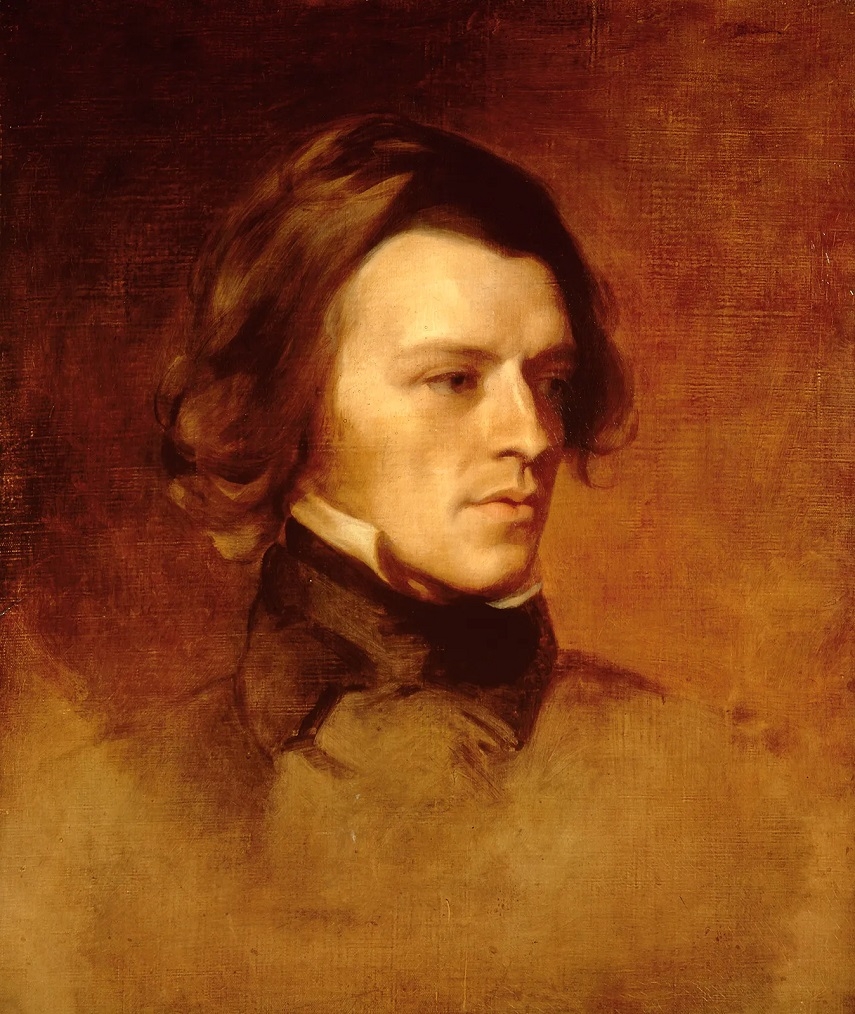
“The words ‘far, far away’ had always a strange charm.”- Alfred, Lord TennysonProse
HOW true ! Not just every child, but the child in every adult, too, has often felt charmed by the words ‘far, far away’. Since time immemorial, countless generations of
little children around the world have often felt mesmerised by the very idea of some land ‘far, far away’ !
In the faraway land, things are often different -- and invariably better. In the faraway places -- in our active imagination -- good people live and smile and play happily and do nice things and are good to one another. There may appear a villain, all right, in a story from a faraway land, but the little child engrossed in that story does not hate the villain.
He -- or she -- only hopes that the villain would lose the bad battle he has started and the good boy or the good girl or the good man or the good woman would ultimately win and live a happy life
thereafter.
So, in that faraway land, hatred has little place and bias is only in favour of virtue -- beyond persons. There is a happy,
silver-golden lining to the clouds there, and the sunset always ends by dipping Mother Earth in its glow. The faraway land, thus, is a land of hope and happiness and honour and high values and humour and health and high spirits.
The human mind has always held the
faraway land, thus, in a wide-eyed
charm -- which, at one level, may appear to be something impossible to achieve in the practical world.
Yet, mothers and fathers and family-elders and teachers have often told stories of faraway lands where promise and prayers often rule the roost.
Alfred, Lord Tennyson -- who was Britain’s poet laureate for over forty years -- had a deep understanding of this charm part of the human mind where positive hope drove every action -- of the hero or of the villain. In the story, of course, the hero was expected to be the winner, while the villain was often the stated and standard loser. Yet, even when the villain lost, no
listener of the stories felt angry with him. On the practical plane, the little brain (of the child) understood that without a villain, the hero would have no reason to exist. So,
villain was there because the hero had to be there -- in the far, far away place (which may even be just a few steps this side of
the heaven).
To be sure, the child is eternal to human existence. Even as the individual grows into an adult, he/she harbours the little child he/she once used to be. And for that, the faraway land holds a promise and hope and happiness that every individual holds dear to the heart.