After Paneer, demand grows for disclosing palm oil labels
| Date :01-Jul-2026 |
By Reema Mewar :
Dr Ketki Ambulkar, a city-based endocrinologist, said that one of the biggest concerns surrounding vanaspati and palm oil is that people frequently consume them unknowingly.
The recent crackdown on analogue paneer has raised a bigger question among health experts - should consumers also be told when food is prepared using palm oil, vanaspati or margarine? Doctors say, if restaurants are required to disclose whether paneer is made from milk or vegetable fat, the same transparency should apply to cooking oil and fat that are widely used in everyday food but often remain undisclosed.
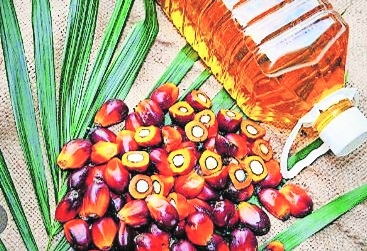
Vanaspati (a ghee substitute made from vegetable fat or palm oil), palm oil and margarine (a butter substitute made from vegetable fat or palm oil) commonly used in commercial food preparation due to their low cost and long shelf life, are often consumed without consumers being aware of their presence.
From bakery products and processed foods, palm oil or similar fat substitutes have become a common ingredient across the market.
Dr Ketki Ambulkar, a city-based endocrinologist, said that, one of the biggest concerns surrounding vanaspati and palm oil is that people frequently consume them unknowingly. “Many commercially prepared food items, including bakery products, bread and doughnut, use palm oil as the primary source of fat. Consumers often do not realise what they are eating,” she said.
Dr Ambulkar explained, “Unlike oils such as mustard oil or fats such as ghee, which may offer certain health benefits when consumed in moderation, palm oil-based fats provide little nutritional advantage and can adversely affect health when consumed regularly. They also contribute to an increase in low-density lipoprotein (LDL), commonly known as ‘bad cholesterol’, which raises the risk of cardiovascular diseases and metabolic disorders.”
“The excessive consumption of these fats can lead to several metabolic problems. We are increasingly seeing cases of metabolic dysfunction-associated steatotic liver disease (MASLD), previously known as non-alcoholic fatty liver disease,” she said.
“Ten to fifteen years ago, alcoholic liver disease was one of the major reasons for liver transplants. Today, it has been replaced by metabolic liver disease associated with poor dietary habits,” she said. “If someone has a healthy lifestyle and consumes these products rarely, it may not make a major difference. But ideally, these fats should be avoided as much as possible,” she said.
The issue also raises questions about transparency in the food industry. Recently, FDA conducted drives against analogue paneer and initiated action against establishments where samples were found to be substandard.
Krishna Jaipurkar, Joint Commissioner, FDA, said that, while the department has undertaken enforcement action against analogue paneer, there are currently no plans to conduct a similar drive specifically targeting the use of vanaspati or palm oil-based fats. He said, food establishments are expected to provide accurate information regarding the ingredients and oils they use. If consumers are misled about the use of butter, ghee or other ingredients, action can be taken under existing provisions.
Dr Ambulkar believes that, consumers should receive similar information regarding the fats used in the foods they purchase.
“Just as there is increasing awareness regarding analogue paneer, there should also be transparency regarding the use of vanaspati and palm oil in restaurants, bakeries and food outlets. Consumers should be able to make informed decisions about what they are eating,” she said.
As concerns regarding lifestyle diseases, high cholesterol and metabolic disorders continue to rise, understanding what goes into everyday food must become just as important as knowing where it comes from.