AIIMS doctors perform Central India’s first heart procedure on month-old 1.4 kg baby
| Date :14-Jul-2026 |
Staff Reporter :
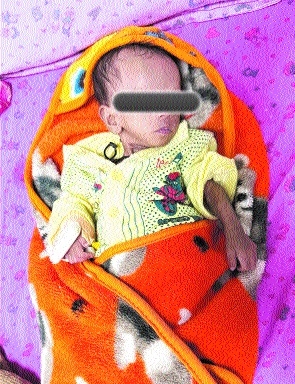
Doctors at AIIMS Bhopal have treated a one-month-old newborn baby weighing just 1.4 kg through a ‘transcatheter Patent Ductus Arteriosus’ (PDA) device closure procedure. The highly complex procedure, performed under general anaesthesia, was completed in just 35 minutes, making it the first of its kind to be conducted on such a low-weight baby in Madhya Pradesh and entire Central India. Immediately after the intervention conducted by the cardiology, paediatric cardiology, and senior anaesthesia teams, the infant was safely weaned off the ventilator in the catheterization laboratory itself, after which the baby also started accepting breast milk.
What is this disease and why was it risky?
According to medical experts, Patent Ductus Arteriosus (PDA) is a congenital heart defect in which a major blood vessel of the heart, which normally should close on its own after birth, remains open. Due to it remaining open, there is excessive blood flow to the lungs, making the heart work much harder than normal. Babies suffering from this condition often experience rapid breathing, difficulty in feeding, inadequate weight gain, and recurrent chest infections. If left untreated, this condition can eventually lead to heart failure. Closing this defect restores normal blood circulation in the body and allows the baby to grow and develop normally.
Doctors explained that treating a newborn baby weighing only 1.4 kg was technically extremely challenging. In babies with such low weight, the blood vessels are exceptionally small, fine, and delicate, leaving very little room for safely passing catheters and placing the device in the correct position.
Apart from this, the procedural and general anaesthesia risks are also very high for such tiny infants. This procedure was made possible through precise co-ordination, meticulous planning, advanced imaging, and
specialised equipment among the cardiology, paediatric cardiology, and anaesthesia teams. Early intervention essential Sharing his experience, Dr Bhushan Shah, Interventional Cardiologist at AIIMS Bhopal, said that when the baby was brought to AIIMS Bhopal, there were severe breathing and feeding difficulties. Without timely treatment, the condition could have worsened significantly, so despite the low weight, performing this procedure at an early stage offered the best chance for the baby’s healthy life. He added that parents should seek immediate medical evaluation if a baby shows symptoms like rapid breathing, poor weight gain, or getting tired while feeding, as treatment for such congenital heart defects is now possible.
Other hospitals refused, AIIMS gave a new lease of life
According to the baby’s parents, they had previously contacted several other hospitals, but the doctors there refused to perform the procedure, citing an extremely high risk due to the baby’s very low weight. The treatment was performed after doctors at AIIMS Bhopal gave them confidence, following which the family members expressed their heartfelt gratitude to the doctors and the healthcare team.
The Executive Director of AIIMS Bhopal, Professor (Dr) Madhabananda Kar, and the Medical Superintendent have congratulated the teams involved in this case and stated that the institute is providing advanced cardiac care services for patients across all age groups, ranging from extremely low-birth-weight infants to adults.