‘Ashadhasya Prathamadivase’ (The First Day of ‘Ashadha’)
Date :15-Jul-2026
By Alka Bonde
(Sanskritbharti, Nagpur) :
The exact birth date of the great Sanskrit poet Kalidasa is unknown. In recognition of his unparalleled contribution to Sanskrit literature, the first day of Ashadha is celebrated across India as Kalidasa Dinam.
The first day of Ashadha marks the onset of the monsoon, symbolising renewal, beauty and human emotions. Kalidasa, revered as Kavikulaguru, celebrated nature, love and the human heart with unmatched elegance. As the famous verse says, "Pura kaveenam gananaprasange kanishthikadhishthita Kalidasah", when poets were counted, Kalidasa's name stood first, and no equal has yet appeared.
Among Sanskrit poets, Kalidasa shines like the sun. A popular legend says Goddess Kali blessed him with extraordinary wisdom, giving him the name Kalidasa.
Though unverified historically, the story remains cherished.
His immortal works include Raghuvamsha, Kumarasambhava, Ritusamhara, Meghaduta, Abhijnanashakuntalam, Vikramorvashiyam and Malavikagnimitram. Among them, Meghaduta occupies a unique place as one of India's greatest lyrical poems.
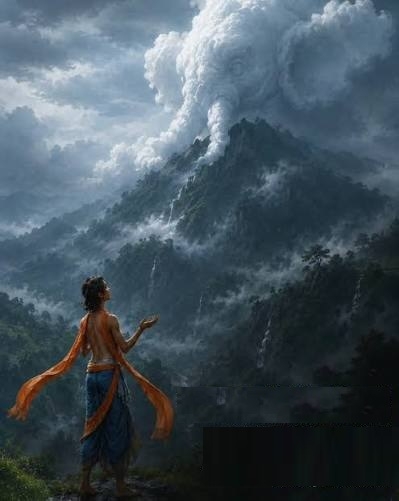
Its opening verse, "Ashadhasya prathamadivase megham ashlishtasanum...", describes the first day of Ashadha, when an exiled Yaksha sees a rain cloud resting on Ramagiri like a majestic elephant. Another celebrated verse, "Kashchit kantavirahaguruna svadhikarat pramattah...", introduces the Yaksha, a celestial attendant of Kubera, cursed to spend a year in exile after neglecting his duties.
Separated from his beloved wife in Alakapuri, he requests the cloud to carry his message of love.
Thus begins the unforgettable journey of Meghaduta, where the cloud becomes a symbol of hope, longing and emotional connection. Kalidasa transforms nature into a living companion through clouds, mountains, rivers and birds, making the poem an eternal dialogue between nature and the human heart.
The poem has two parts: Purvamegha, describing the cloud's journey through mountains, rivers, forests, hermitages, cities and the splendour of Ujjayini, and Uttaramegha, portraying Alakapuri, the sorrow of the Yaksha's wife and the message of love delivered by the cloud. Rich in similes, metaphors and poetic beauty, Meghaduta remains one of the finest masterpieces of Sanskrit literature.