OP pesticide poisoning claims 30 lives in district this year
| Date :17-Jul-2026 |
Staff Reporter :
Over 60 patients needed ventilator support highlighting the severity
Organophosphorus (OP) pesticide poisoning continues to pose a serious health challenge during ongoing Kharif season, with 117 patients admitted and 30 deaths reported at Government Medical College and Hospital (GMCH), Nagpur, between January 1 and July 15, 2026. The hospital received 15 fresh OP poisoning cases and reported two deaths during the first fortnight of July.
Hospital records show that March registered highest number of admissions (28), while May accounted for highest fatalities (10). Significantly, more than 60 patients required ventilator support, highlighting the severity of OP poisoning.
Dr Atul Rajkondawar, Professor and Head of Department of Medicine, GMCH, said the hospital, being a tertiary referral centre, receives many critically ill patients referred from sub-district hospitals after initial treatment. As a result, several patients reach GMCH in an advanced stage of poisoning, requiring intensive care and ventilator support.
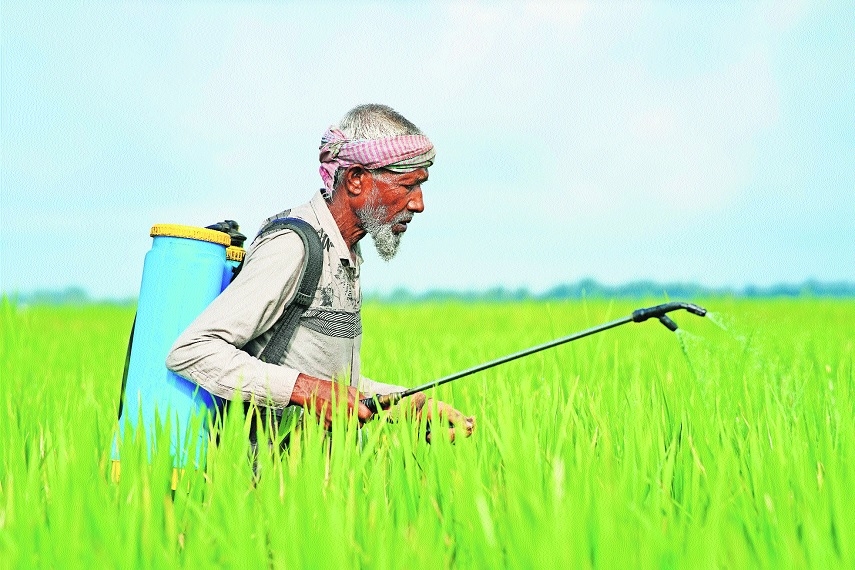
He added that most OP poisoning cases are associated with exposure to organophosphorus pesticides during agricultural spraying. Unsafe handling of pesticides, inadequate use of protective equipment and delays in reaching specialised care often worsen the condition.
Safety norms
often ignored
The Agriculture Department has reiterated its standard advisory, urging farmers to purchase pesticides only from authorised dealers--avoid mixing chemicals unless specifically advised, use only recommended dosage, and wear masks or respirators, gloves, goggles, full-sleeved clothing and boots while spraying. “Farmers have also been advised not to eat, drink or smoke during spraying, never clear blocked spray nozzles by blowing through them, and wash thoroughly after handling pesticides,” informed Ravindra Manohare, District Superintendent Agriculture Officer.
Recently, the Union Government issued a draft notification proposing a nationwide ban on paraquat dichloride, a highly toxic herbicide already banned or severely restricted in more than 70 countries because of its health risks. The proposal remains open for public consultation before a final notification is issued.
Doctors urged farmers to seek immediate medical attention if symptoms such as dizziness, vomiting, breathing difficulty, excessive sweating or blurred vision develops, stressing that early referral and timely treatment can significantly improve the condition.