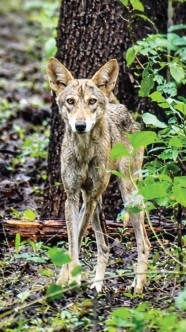
POSSIBLY FIRST EVER DOCUMENTED, Indian Grey Wolf sighting, highlights Bastar’s hidden biodiversity
| Date :22-Jul-2026 |
RAIPUR :
BASTAR, often associated with its history of Naxal
violence, is now drawing attention for a very different reason, its rich and largely unexplored biodiversity. A photograph of an Indian Grey Wolf
(Canis lupus pallipes) captured in the forests of
Antagarh has brought renewed focus to the ecological wealth of the region and could mark an important milestone for wildlife research in Chhattisgarh.
According to the wildlife photographer who documented the animal, the sighting is more than just
a rare wildlife photograph. If verified by experts, it
could become the first documented record of the
Indian Grey Wolf from the Bastar region, underscoring the need for further scientific exploration
of its forests.
Known for its dense Sal forests, pristine rivers
and rugged hills, Bastar is home to a wide variety
of flora and fauna that remain insufficiently studied. Researchers believe that many species of butterflies, moths, birds, reptiles, mammals and other wildlife are yet to be systematically documented, leaving significant gaps in the understanding
of the region’s biodiversity.
The latest sighting serves
as a reminder that Bastar’s forests continue to hold
important ecological secrets.
Each new wildlife record contributes to a better understanding of the region’s natural heritage and strengthens
the case for conservation of its unique ecosystems.
The discovery also seeks to shift public perception of
Bastar from being viewed primarily through the lens of conflict to being recognised as a landscape of exceptional biological diversity. Conservationists say that documenting
wildlife is a crucial first step toward protecting habitats and
ensuring long-term conservation planning.
With continued scientific surveys and field documentation, experts believe Bastar has the potential to emerge as
one of India’s significant biodiversity landscapes, revealing many more species that remain hidden within its forests.