SC bars coercive action againstprotesters with NO CRIMINAL RECORD
| Date :29-Jul-2026 |
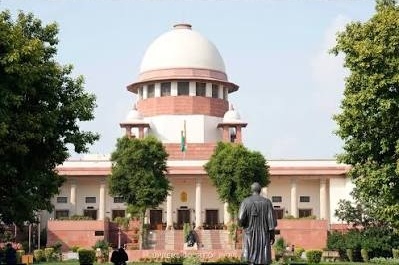
NEW DELHI :
THE Supreme Court on Tuesday
restrained States from taking any
coercive action against protesters in the recent student-led agitation and directed them to
release those under 18 on the
condition that none should have
any criminal antecedents.
Hearing a batch of petitions
alleging police brutality during
demonstrations against irregularities in exams and the NEET
paper leak, a bench headed by
Chief Justice of India Surya Kant
said a fair and independent probe
on the matter was required.
“All States are hereby instructed to release children under the
age of 18, who have been reported to be arrested or detained in
connection with the ongoing
protests and who do not possess
any criminal antecedents,” the
bench directed.
It said if necessary, these children shall be released upon the
execution of a simple bond by
themselves or their family members, especially if such a requirement is insisted upon for surety.
During the hearing, the bench
also comprising justices Joymala
Bagchi and V Mohana observed,
“Whosoever committed excesses, took law into their hands
should be taken to task.”
The bench took note of allegations such as the use of pellet
guns, lathis embedded with nails,
rubber bullets and electric batons
on protestors resulting in severe
life threatening injuries to several students and young women.
It directed that Delhi
Government and other states
may proceed with the investigation of the FIRs registered but
no coercive measures shall
be taken against the protesting
students.
“Such protection, nonetheless, shall not be extended to
the persons with criminal
antecedents,” it clarified.
Noting that the bench is
mulling an independent, a
transparent and thorough
probe into all allegations by a
task force, the bench said a
probe is also required to ascertain the attacks on 250 policemen and whether they were by
students or some “miscreants”.
”Be that as it may, the allegations made by the petitioners, prima facie, establish a
compelling case for an independent and impartial investigation into the incidents of
violence. Such an investigation
will adequately address the allegations presented by the family members of the police personnel, as well as the issues
raised by the Solicitor General
of India,” the bench said.
While posting the matter for
further hearing on August 3, the
top court said in the interest of
justice it is giving an opportunity to the Centre and the states
concerned to place their versions on record before it considers constituting an independent committee or a SIT.
The top court issued notices
to Maharashtra, Bihar, Assam,
Uttar Pradesh, Madhya
Pradesh, West Bengal and
Kerala and asked their
Advocates General to appear
online on the next date of hearing.
SIT MAY BE SET UP TO PROBE
POLICE EXCESSES: THE
Supreme Court on Tuesday said
a Special Investigation Team
(SIT) may be set up to ensure
a fair, transparent and thorough probe into all incidents
of violence during the recent
student protests. The law must
take its course once there is
violation of “defined protocol”,
the apex court said.
Dealing with a batch of pleas
alleging police excesses against
students protesting irregularities in exams and the NEET
paper leak across the country,
a bench headed by Chief Justice
of India Surya Kant referred to
many incidents of violence.
At the outset, the bench, also
comprising Justices Joymalya
Bagchi and V Mohana, asked
why there should not be an
independent probe into the
allegations. “Whosoever committed excesses, took law in
their hands should be taken to
task,” the CJI said.