NMC directs 54 consumers to install ETPs/STPs to strengthen groundwater replenishment network
| Date :03-Jul-2026 |
Staff Reporter :
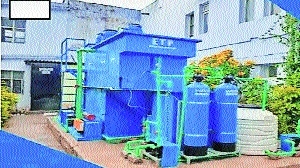
Nagpur Municipal Corporation (NMC) has finally decided to enforce norms relating to compliance with environment protection, directing 54 large-scale water consumers to install localised Effluent Treatment Plants (ETP) or Sewage Treatment Plants (STP) within their premises to guarantee systemic water reuse. They are as those exceeding consumption rate of 1 lakh litres of water per day, and same is meant to ensure prevention of wastage of water. This mandatory environmental protocol serves as the foundation for the civic body’s broader, city-wide sustainable resource framework, which tightly couples strict commercial regulation with aggressive public infrastructure groundwater replenishment programmes.
Beyond individual commercial mandates, the NMC has
pioneered an integrated engineering approach to address the depletion of subterranean water tables by turning urban concrete road networks into active water harvesting systems. While standard concrete surfaces historically created impermeable barriers that blocked natural soil percolation, the NMC’s recently deployed Phase 4 cement road project -- a Rs 260-crore undertaking managed under 14 separate construction packages spanning roads between 9 to 24 meters in width successfully introduced specialised 20-meter deep soak pits along 33 kilometers of arterial networks. These structures utilise debris-trapping mesh nets to divert heavy stormwater runoff directly into underground aquifers, effectively mitigating seasonal water-logging and localised flooding across residential sectors.
So far the civic body has successfully integrated these customised water harvesting installations at nearly 100 strategic, high-traffic locations, including Joggers Park, Suyog Nagar, Wanjari Nagar, Khare Marg in Dhantoli, Pratap Nagar, Doctors Colony, and Dahi Bazar. Under structural agreements, the appointed contractors carry a legal obligation to maintain these eco-friendly rainwater collection setups for a total duration of ten years to ensure operational durability.
Building on the operational success of these initial installations, the NMCs 2026-27 municipal budget maps out an even more aggressive environmental roadmap by initiating 209 dedicated ‘Recharge Shaft’ systems at key roadside locations. Moving forward, the NMC has declared that rainwater harvesting infrastructure will be universally mandatory for all Phase 5 road developments.
This upcoming phase will encompass an estimated project outlay of Rs 900 crore, expanding the groundwater replenishment network across 89 kilometers of roads divided into 135 distinct segments. This definitive shift from voluntary conservation to hard-coded policy integration across all future public networks solidifies city’s position as a leading ‘green city’ in Maharashtra, ensuring urban civil engineering and ecological preservation advance in tandem.
Mandatory rainwater harvesting at 75 Mpl properties
In a review meeting held on Thursday, Municipal Commissioner Dr Vipin Itankar announced a dedicated environmental initiative to mark the NMC’s Amrut Mahotsav year. The civic body will implement extensive rainwater harvesting networks across 75 designated municipal properties, including civic schools, libraries, hospitals, zonal offices, gardens, playgrounds, and sports stadiums. This synchronised drive aims to channel seasonal rainwater directly into native wells and borewells to artificially recharge the city’s depleting groundwater tables. Municipal Commissioner Dr Vipin Itankar explicitly instructed engineering teams to immediately repair and restart any defunct harvesting units, while simultaneously installing new systems in all municipal buildings currently lacking rainwater harvesting set ups.