Nagpur’s bright nights proving fatal for insects
| Date :14-Aug-2026 |
By Simran Shrivastava :
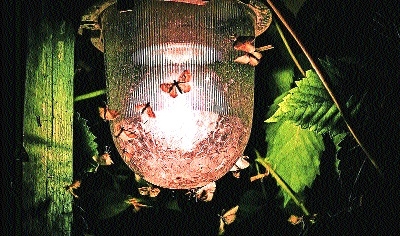
If you stand below a Metro station light or a high-mast lamp on a summer night and look closely, around the bright white glow, hundreds of insects can be seen circling endlessly. By morning, many of them lie dead on the ground. The sight is so common that it rarely attracts attention. But scientists say it could be a warning sign of an ecological problem unfolding in city.
As Nagpur expands its Metro stations, flyovers, commercial hubs and LED streetlights, the city is becoming brighter after sunset than ever before. The question is whether this artificial illumination is creating ecological traps for insects that evolved to navigate using natural darkness and moonlight.
According to Dr Sharyu Ghonmode, Entemologist and Head of the Zoology Department at Shivaji Science College, artificial light at night can disturb insects because many species rely on natural darkness and moonlight for navigation, feeding, mating and reproduction. According to her, moths, beetles and several other nocturnal insects are drawn towards artificial lights and often spend hours circling them instead of feeding, reproducing or searching for habitat.
Many moth species serve as night-time pollinators, performing a role similar to bees after sunset.
When insects remain trapped around lights, pollination activity can reduce . Scientists have also found that brightly lit areas make insects easier prey for bats, birds and spiders. “Artificial lighting interferes with the natural orientation mechanisms of flying insects. The time and energy spent around lights reduces opportunities for feeding, finding mates and laying eggs. In some cases, continuous activity around lamps can lead to exhaustion and death,” Ghonmode lamented.
Across Europe and North America, researchers are studying light pollution as a driver of insect decline. In Nagpur, however, the issue remains largely unexplored despite the sudden growth of illuminated infrastructure. From Sitabuldi Metro Station to Wardha Road flyovers and commercial districts, thousands of lights remain operational through the night.
Ghonmode says the concern is not just about insects.
They form the base of urban food chains and are crucial for pollination and biodiversity. “Insects congregating around illuminated areas also become easier prey for bats, birds, spiders and other predators. Beyond individual mortality, artificial light can alter normal day-night activity patterns and create behavioural barriers that prevent nocturnal insects from moving freely across urban landscapes,” she added.
The city has measured traffic density, air quality and noise pollution. It has mapped trees, lakes and green cover. But one question remains unanswered. What is happening to the insects gathering every night beneath Nagpur’s ever-growing sea of lights? And if they are disappearing, what else disappears with them?