PM e-Bus Sewa is comingbut city’s poor transport infra doesn’t look ready
Date :19-Aug-2026
By Dhanendra Chaurasia
THE arrival of 32 modern electric buses under the PM e-Bus
Sewa Scheme has raised hopes
for a cleaner and more comfortable public transport system in the Sanskardhani. Chief
Minister Dr Mohan Yadav is set
to launch the first phase of the
service soon. But the excitement is accompanied by a
pressing civic concern - can a
modern bus service truly benefit citizens when many of its
bus stops remain neglected,
encroached upon and unfit for
commuters?
Although the Jabalpur
Municipal Corporation has
worked hard to improve civic
amenities in recent years, it has
failed to maintain several metro
bus shelters built at major locations. Many waiting areas have
deteriorated due to poor maintenance, while encroachments
by fruit vendors, hawkers and
makeshift shops have occupied
the shelters.
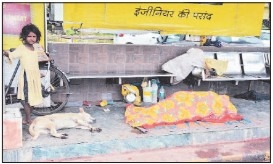
Some bus stops
have even become temporary
shelters for homeless people.
The result is that commuters
are often forced to wait on the
roadside instead of using the
bus shelters. Women, senior
citizens and school students
face the greatest inconvenience, particularly during rain
and peak traffic hours.
The civic body had spent
lakhs of rupees constructing
these metro bus stops when the
city introduced its bus service
with much fanfare. While a few
shelters still reflect modern
urban infrastructure, most now
stand as examples of neglect
and poor maintenance.
Residents believe that adding
state-of-the-art electric buses
alone will not transform public transport. Clean, safe and
encroachment-free bus shelters are equally essential for a
reliable commuting experience.
With the launch of the e-bus
fleet, citizens now expect the
civic body to restore and maintain bus stops with the same seriousness shown in introducing
modern buses. Only then will
the ambitious scheme deliver
its promised benefits to the people of Jabalpur.