When reality becomes optional: Why photography must defend the truth in the age of Artificial Intelligence
| Date :19-Aug-2026 |
By Aashish Bhonde :
In 1826, the world’s s first permanent photograph changed human history. For the first time, reality could be preserved with extraordinary fidelity. Moments no longer belonged only to memory, they could be witnessed, recorded and shared across generations.
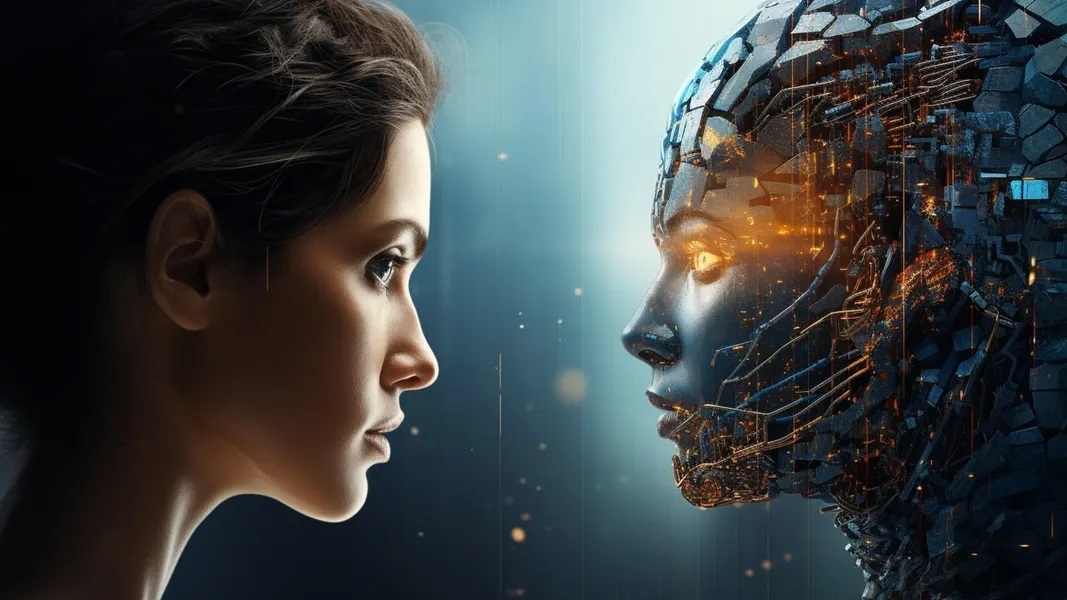
Photography became humanity’s visual conscience. Nearly two centuries later, photography stands at another historic turning point. This time, the challenge is not a better camera. It is a world where images no longer require reality. Within seconds, software can create images so convincing that even trained eyes struggle to distinguish fiction from fact.
For the first time in history, the photograph is no longer unquestioned evidence of reality. The greatest contribution of Photography to civilization has been trust.
Artificial Intelligence challenges that relationship between image and truth. If every image can be manufactured, manipulated or fabricated without a camera, how do future generations distinguish documentation from imagination? When fabricated photographs circulate faster than verified ones, misinformation becomes easier to produce and harder to detect.
Across commercial industries, AI is already producing advertising visuals, product imagery, conceptual illustrations and marketing campaigns at remarkable speed.
Yet the greatest threat is not automation alone. It is the gradual devaluation of human creativity. This does not mean Artificial Intelligence has no place in photography. Like every technological innovation AI offers remarkable opportunities.
It can restore damaged archives, improve accessibility, organize vast collections, assist scientific research, reduce repetitive editing tasks and accelerate creative workflows.
Tomorrow’s photographers must become researchers, storytellers, environmental observers, historians, cultural interpreters and visual journalists. They must understand architecture, ecology, anthropology, conservation, design and ethics. Authenticity will become the new luxury. Governments, cultural institutions and media organisations also have responsibilities. Clear standards for labelling AI-generated images, stronger protections for creators’; intellectual property and support for documentary practice will help preserve public trust in visual communication.
Artificial Intelligence gives us the power to imagine worlds that never existed. Both technologies have value. But they should never be mistaken for one another.
On this World Photography Day, let us celebrate not only extraordinary images but also the courage to witness reality as it is. Let us champion photographers who document endangered landscapes before they disappear, architects who preserve cultural heritage, journalists who risk their lives to reveal uncomfortable truths, artists who find beauty in imperfection and ordinary people who continue to record genuine moments that define their lives.
As we celebrate World Photography Day, the question is- if every image can be created without reality, what becomes of photography's greatest purpose -to preserve the truth? When future generations look back to understand who we were, what we built, what we loved, what we destroyed, and how we lived, will they inherit the authentic visual memory of humanity, or only an archive of beautifully fabricated illusions? The answer will define not only the future of photography, but the future of truth itself.