More than mic and melody How Live Music culture is finding its rhythm
| Date :02-Aug-2026 |
By Reema Mewar :
Live performances are no longer treated merely as background music accompanying a meal. People are choosing cafes because they know a particular artist or band would be performing there.
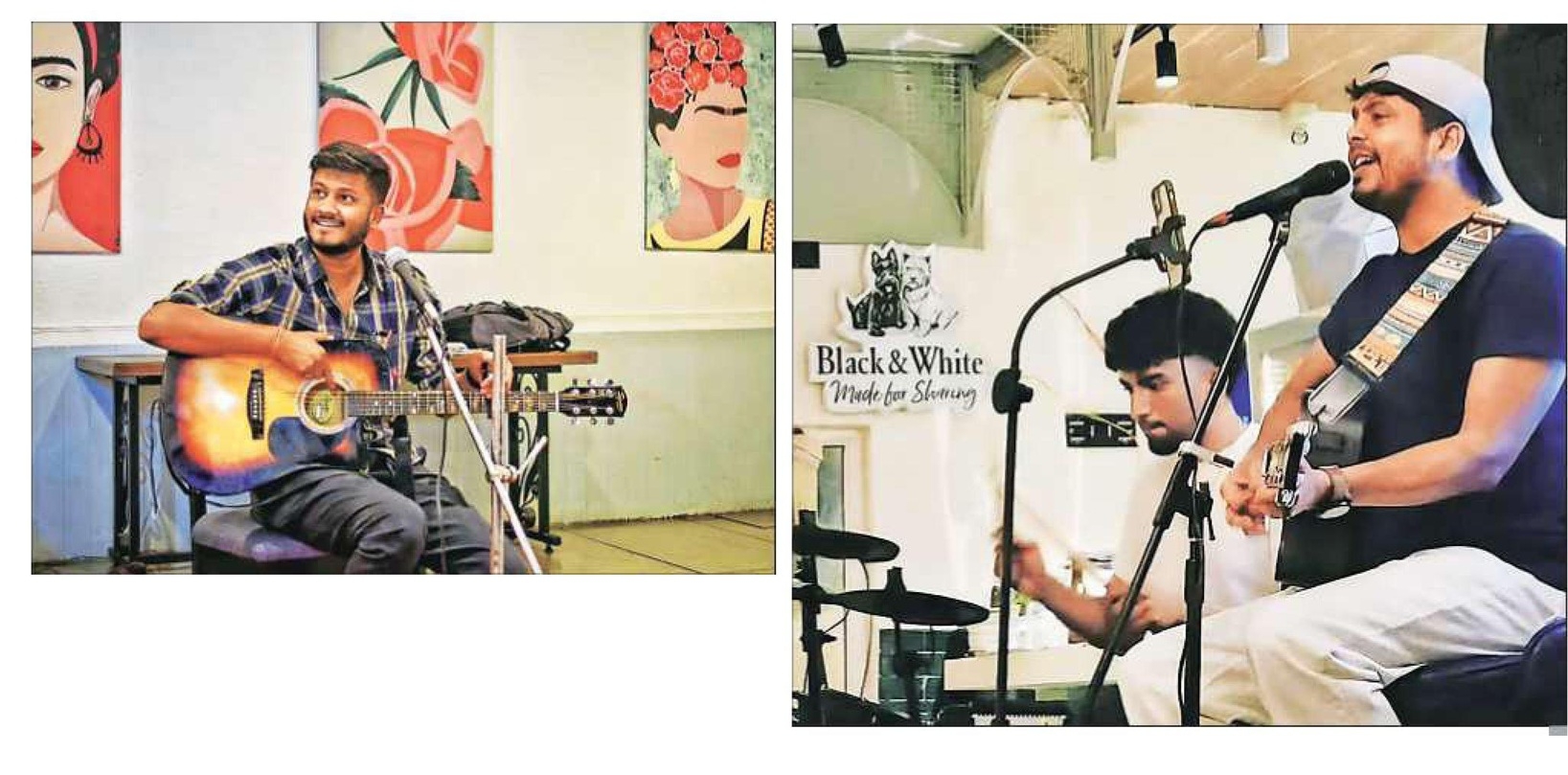
On weekends, an increasing number of cafes and restaurants across Nagpur are replacing background music with live performers. Acoustic guitars, live bands and solo singers have become familiar additions to the city’s dining scene, which goes on to show the growing appetite Nagpur has for live music. For independent musicians, this shift has opened new avenues to perform and connect with listeners, as the city’s live music ecosystem continues to evolve.
Musicians who have witnessed the city’s transformation say the change has been particularly noticeable over the last few years. Aniket Thawkar, who has been performing for over a decade, and began playing cafe
gigs in Nagpur in 2018, recalls that the live performance circuit was almost non-existent a decade ago. “In 2016, the live performance scene was almost negligible. After COVID, it has expanded a lot.
I believe a large part of it, is the growing number of cafes in the city,” he explained.
Guitarist and band manager Abhishek Yeolekar, whose band has performed more than 500 shows since 2020, has witnessed a similar shift. “Earlier the culture was for DJs, but people now want live music. Cafes and open-air restaurants are some of the most receptive venues, and audiences are very eager for a more interactive experience,” he added. While the growing number of venues has created more opportunities, cafe performances are only one part of a much larger ecosystem. Rather than serving as a primary source of income, they often act as a platform for artists to introduce themselves to new audiences.
Abhishek said nearly 90 per cent of his band’s private bookings come from people who first watched them perform at cafes, while Aniket said that musicians often supplement these performances
with corporate events, weddings, and private
parties because cafe gigs alone are rarely
sufficient. “In the monetary aspect, it does not compare to the pay that you receive in
Tier-1 cities like Pune, Mumbai or
New Delhi,” said Aniket. “It is difficult to rely on these gigs as the only source of income, especially as a beginner.”
Saurabh Kathale, an IT professional who regularly performs in Nagpur and other cities, felt Nagpur still had some distance to cover in that regard. While he acknowledged that many cafes had supportive hosts, he also recalled instances where performers were expected to extend their sets beyond the agreed duration or accept lower remuneration than initially discussed. For him, respecting musicians meant respecting their time and recognising that every performance represented years of practice and preparation. He advised younger artists against performing entirely free of charge, believing that even a nominal fee helped establish the value of their work.
Abhishek believes responsibility rests with both artists and venue owners. “Cafes should be more willing to experiment with newer performers instead of repeatedly booking the same familiar faces, and musicians should avoid accepting unrealistically low fees that eventually affect the entire community. Setting professional standards would benefit both established and emerging artists in the long run.” For those hoping to enter the city’s music circuit, the most important advice is patiently building a reputation. Aniket encouraged budding performers to accept opportunities that brought them before new audiences rather than focusing only on immediate earnings. “Wherever you get a good chance to be exposed to a wider audience, take it and give your best,” he said.
Abhishek, meanwhile, feels that young musicians benefit by observing experienced performers as much as by performing themselves. “Understanding audiences, working well as a team and remaining reliable are qualities that gradually built trust with venues and organisers. Above all, the music community needed to grow together rather than compete at the cost of one another.” he noted.
Nagpur may still be some distance away from the scale of larger music hubs, but its live music culture has undoubtedly found its footing. What began as an occasional novelty has evolved into a vibrant part of the city’s social life, giving audiences a more intimate musical experience and artists a stage to be discovered. As more cafés embrace live performances and listeners continue to respond, musicians hope the next chapter will be defined not just by more gigs, but by greater respect, fairer opportunities and a stronger sense of community.n