AIEOTF strongly opposes FDA’s recent order prohibiting sale of loose edible oil
| Date :22-Aug-2026 |
Business Reporter :
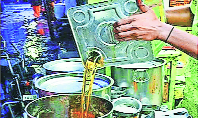
The All India Edible Oil Traders’ Federation (AIEOTF) has strongly opposed the Maharashtra Food and Drug Administration’s (FDA) recent order prohibiting the sale of loose edible oil and restricting the reuse of tins. National President of the federation Shankar Thakkar criticised the decision, questioning why loose edible oil faces strict bans when harmful substances like alcohol and cigarettes remain legal to sell.
Thakkar argued that selling oil is neither a crime nor a terrorist act to attract harsh penalties of up to 10 years in prison and fines up to Rs 10 lakh.
The office-bearers of the federation highlighted several key concerns regarding the order. First, they questioned the necessity of the Maharashtra FDA creating separate, severe laws when FSSAI already enforces nationwide food safety standards.
The office-bearers highlighted that such regulations contradict the Prime Minister’s
“Ease of Doing Business” initiative. “It is giving sleepless nights to traditional traders while benefiting multinational companies,” they observed.
Further, the federation said, with edible oil prices climbing over 20 per cent in the last three months, the ban severely impacts daily wage earners who rely on buying small quantities like Rs 10 or Rs 15 worth of oil, as pre-packaged oil is significantly more expensive due to packaging costs.
National General Secretary of the federation Tarun Jain said that the move would cause widespread job losses among retail workers and push low-income households into deeper hardship.
Furthermore, Vice President Prakash Patel explained that while selling pre-packaged oil is easier for merchants, retailers intentionally take on extra labour and expense to measure small quantities specifically to serve poor consumers. The federation also raised environmental and economic concerns, noting that packaged oil relies heavily on imported tin plates or petroleum-based plastics, both of which strain foreign exchange and pose health and environmental risks. While fully supporting strict action against quality and hygiene violations, the federation urged the Government to allow loose oil sales under proper safeguards to protect low-income consumers and local traders.