THALASSEMIA, SICKLE CELL ANAEMIA, ‘Public health infra integrated HPLC into rural hospitals to address diagnostic barriers’
Date :26-Aug-2026
By Shivanjali Verma :
THE management of genetic
blood disorders such as
Thalassemia and Sickle Cell
Anaemia across Madhya Pradesh
represents a complex interplay
between public healthcare delivery and deeply embedded social
dynamics. While operational
shortcomings within health
departments present ongoing
administrative challenges, community silence, social taboos
and a lack of public awareness
continue to exacerbate the burden of these hereditary conditions. In the densely forested
tribal regions of eastern
Madhya Pradesh specifically
across districts such as Shahdol,
Anuppur, Dindori and Alirajpur
sickle cell trait and thalassemia
have historically exerted a profound toll on
generational health.
In a telephonic interview with
The Hitavada, Dr Ruby Khan,
Deputy Director of the Blood Cell
unit at the National Health
Mission (NHM), Bhopal, outlined the State’s ongoing transition from reactive medical interventions to a unified, long-term
strategy centered on active
screening, genetic counseling
and systemic eradication.
Dr Khan shared, “A central element of this institutional overhaul is the establishment of a
specialised Department of
Haemoglobinopathy under
NHM Madhya Pradesh. MP
secured the top position nationwide under National Sickle Cell
Anaemia Elimination Mission,
having screened over 9 million
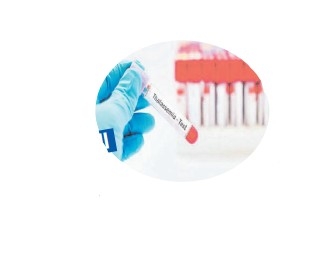
individuals. To address diagnostic barriers in rural areas, public
health infrastructure has integrated High-Performance Liquid
Chromatography (HPLC)
machinery into district-level hospitals. Serving as the primary confirmatory standard under State
healthcare initiatives and the
National Sickle Cell Anaemia
Elimination Mission, these automated diagnostic units enable
precise identification of haemoglobinopathies locally. By centralising HPLC technology at district facilities, the State has substantially reduced
out-of-pocket diagnostic expenses for marginalised
populations who previously
depended on private laboratories
or distant tertiary referral centres.
This localised access allows surrounding primary healthcare networks to utilise reference-grade
testing while optimising capital
equipment usage.”
Dr Khanj further added, “On
the ground, field delivery relies
on mobile healthcare units comprising Auxiliary
Nurse Midwives
( A N M s ) ,
Community
H e a l t h
O f f i c e r s
(CHOs), and
l a b o r a t o r y
technicians.
These teams
conduct door-todoor screenings
across interior villages,
Anganwadi centres, and educational institutions utilising pointof-care solubility test kits and
portable haemoglobin electrophoresis devices. A key objective of field screening is the premarital identification of prospective partners carrying the sickle
haemoglobin gene (HbS) or thalassemia traits. Through systematic carrier mapping, public
health counselors assist couples
in making informed reproductive decisions, thereby curbing
the genetic transmission of
severe traits.”
“This effort aligns with the
National Sickle Cell Anaemia
Elimination Mission, which was
formally launched from Shahdol
with a target timeline to eliminate
transmission by 2047. However,
establishing comprehensive
point-of-care facilities for thalassemia across the entire State
remains an active operational
challenge”, accepted Dr Khan.
She added that despite clinical progress, significant sociocultural hurdles impede early
intervention. Misconceptions
regarding genetic inheritance
persist, frequently resulting in
social ostracisation, emotional
trauma and isolation for affected children and their families.
Furthermore, widespread cultural practices such as concealing pregnancy during early trimesters due to fear of ill
fortune, directly delay critical
healthcare interactions. This
delay prevents expectant couples from accessing timely prenatal genetic counseling and
early-trimester diagnostic procedures like HPLC testing.
As Dr Khan emphasised,
medical treatments and clinical screening mechanisms cannot achieve sustained success
in isolation. Eradicating systemic stigma through targeted public literacy campaigns,
community-led genetic counseling and accessible carrier
screening remains as fundamental to public health outcomes as direct clinical management.