Images reveal hidden scale of Iranian strikes on US Gulf bases
Date :18-Sep-2026
WASHINGTON :
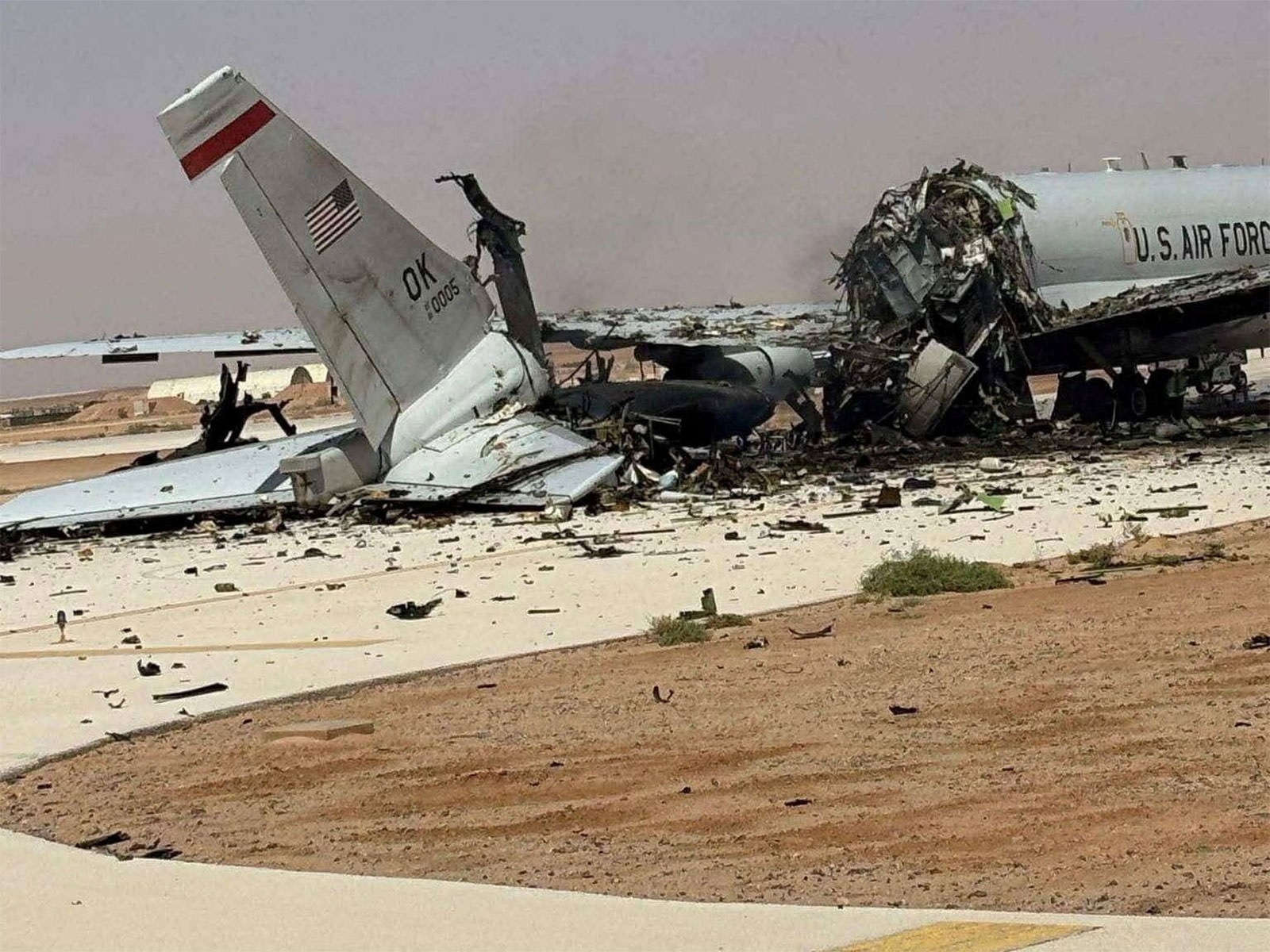
PHOTOGRAPHIC evidence depicting a destroyed aircraft, tattered tents, and heavily compromised military trailers has provided an unprecedented look at the consequences of Iranian missile and drone strikes targeting United States military installations throughout the Middle East, according to CBS News.
The visual documentation, captured at an American installation situated in Saudi Arabia alongside two separate facilities located in Kuwait, was supplied to CBS News by active-duty United States service members who requested anonymity owing to strict military communications policies.
Characterising the severity of the infrastructure destruction, one American service member told CBS News that much of the devastation had been withheld from public view, stating, “We’re standing there with our eyes closed getting punched in the face.”
The same service member added, “This is major damage to our bases that hasn’t been communicated to the American public.” The emergence of these images coincides with the release of a Pentagon inspector general’s assessment outlining the extent of structural losses sustained by United States forces amid the ongoing hostilities.
According to the official report published the previous week, United States Central Command confirmed that Iranian missile barrages inflicted structural damage upon or entirely demolished hundreds of individual buildings and related facilities across American installations located in Kuwait, Bahrain, Qatar, the United Arab Emirates, Saudi Arabia, Iraq, Oman, and Jordan, as reported by CBS News.
Thousands flee: AS HOUTHI rebels closed in, Eshraq Abdel Gelil and her husband fled their home, walking through the mountains before catching a ride to a nearby city.
They are among more than 125,000 people who have fled as the Iran-backed rebels have advanced down the Red Sea coast to a key maritime chokepoint.
The offensive, linked to the wider Iran war, has threatened Saudi oil exports, pushed up global fuel prices and rattled markets.
The cost has been far greater for Yemenis caught in the crossfire. Many have fled their homes with only what they could carry. The Arab world’s poorest country was pushed to the brink of famine in an earlier phase of the civil war, which killed an estimated 150,000 people.
A Saudi-led blockade, along with the Houthis’ repressive rule and detention of UN and aid workers, has made life miserable in the now-expanding territory under rebel control. Yemen’s Saudi-backed government, weak and fragmented, has struggled to push them back.