Human brain possibly evolved as 2 independent organs, claims study
| Date :22-Sep-2026 |
NEW DELHI :
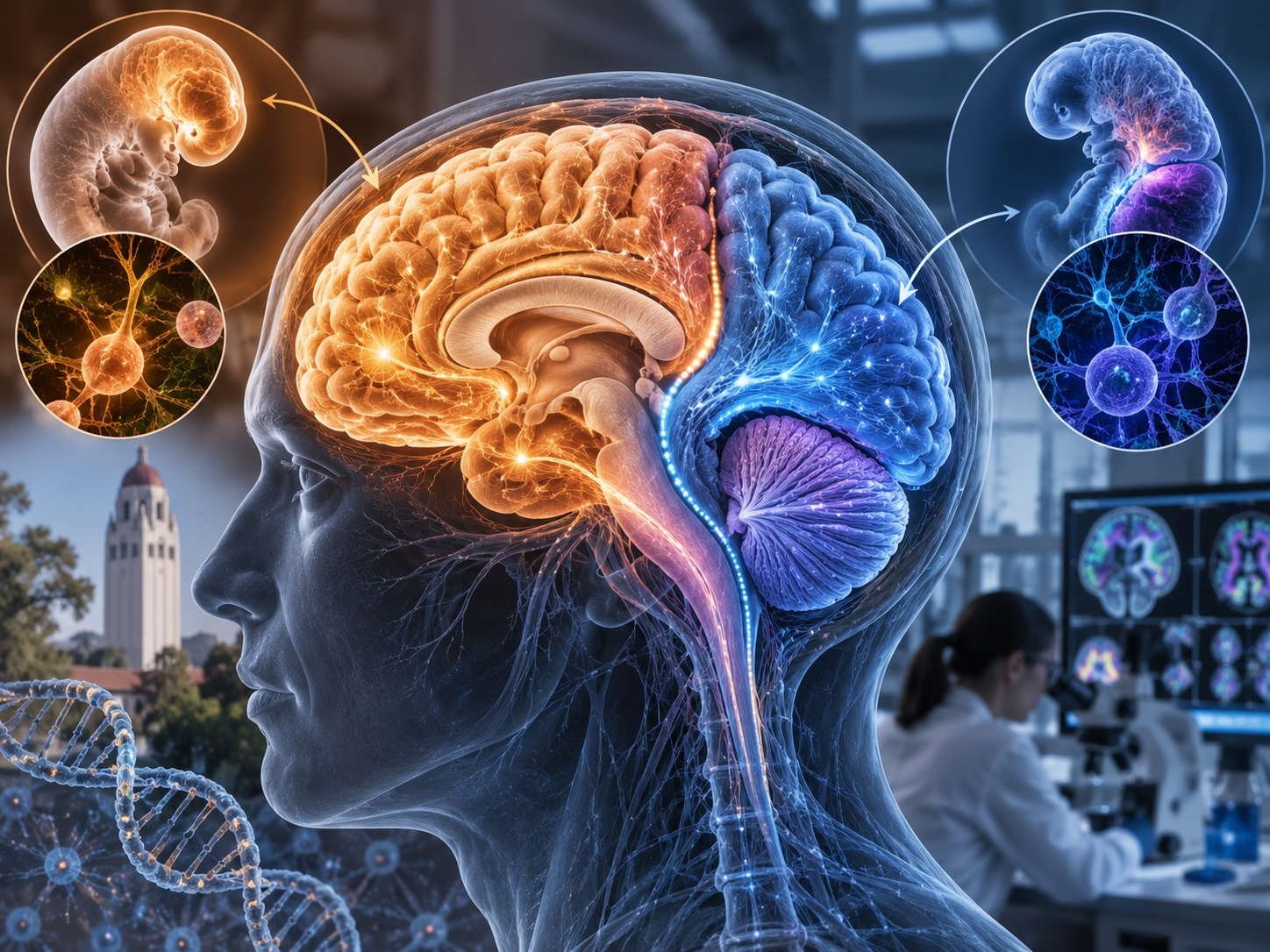
THE human brain, widely considered one organ, may have evolved as two independent ones over hundreds of millions of years, according to a new study, with findings potentially overturning a prevailing model of brain development.
Researchers, led by those at the US’ Stanford University, said scientists have subscribed to the theory that there is a single progenitor cell early in development that gives rise to the entire brain -- the model, a prevailing one, suggests all parts of the brain share a common developmental origin.
The team looked at developing mouse embryos and showed that the human brain consists of two ancient nervous systems cleverly packaged together -- a more primitive part that regulates the hearts’ beating and breathing, among other functions, and another making one distinctly human, capable of poetry, mathematics and wondering about the species’ origins.
The two systems develop parallelly, cells from which never intersect or overlap, they found.
The discovery, published in the journal ‘Nature Neuroscience’, could help explain why scientists have struggled for decades to grow neurons of the hindbrain -- one of brain’s three main regions -- in the laboratory, the researchers said.
The gap hampered research into devastating diseases affecting the brain stem, including spinal muscular atrophy and amyotrophic lateral sclerosis, both of which impact motor neurons, they said.