Box-like rooms, steep rents: Satya Niketan’s cramped PG maze
| Date :08-Sep-2026 |
NEW DELHI :
FOR students arriving in the national capital from across the country, Satya Niketan’s proximity to Delhi University’s
South Campus makes it an easy place to look for a home, even when the room, food and facilities fall short.
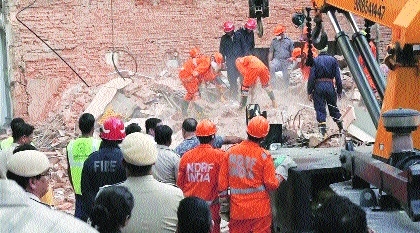
The five-storey building that collapsed in south Delhi’s Satya Niketan on Sunday, killing seven people, housed a boys’ PG. Its collapse has left students living in the neighbourhood in a state of uncertainty about the buildings around them, but also about why so many of them end up living in PGs in the first place.
For most freshers, Satya Niketan is one of the first places they hear about when they start looking for accommodation near South Campus. The lanes are full of PGs, messes, shops and cafes, and the metro station and colleges are within easy reach. With hostel accommodation unavailable at several colleges and limited even where it exists, students often have little room to be selective.
The accommodation available to students comes at sharply different prices.
bed in a triple- or four-sharing room without a balcony and with little or no ventilation costs around Rs 10,000 - Rs 12,000, students said. A double-sharing room with better ventilation or a balcony costs around Rs 15,000 or more, while a single room can cost Rs 25,000. For students sharing rooms, even small problems become difficult to escape.
“The rooms are so small. Three people can be living in a room, and sometimes six people are staying in spaces where there should not be that many people. You are studying, sleeping and keeping all your things in the same small space,” said Abhinav Raman Sinha, 18, a first-year student of Atma Ram Sanatan Dharma College from Uttarakhand.
The same goes for basic services.
The fridge is sometimes cooling, and sometimes it is not. The induction does not work properly. For hot water, we sometimes have to tell them the night before. And when you complain about something, the PG people say it was not mentioned in the brochure,” he said.
Food is usually part of the arrangement. Students said they are often required to pay for it even when they do not eat it. “As for the food in all these PGs, it is extremely sub-standard. When you first arrive, they will serve you very good food, but after that they degrade the quality so much that sometimes you will not even find lentils in the dal, just water,” said Abhishek Mishra, a first-year law faculty student.