Medicinal values of ‘Patri’ used in festivals
| Date :04-Sep-2019 |
By Rajendra Diwe :
Worship of Gods and Goddesses with leaves and flowers is very important in Hindu tradition. All Gods and Goddesses have their own list of favourite flowers and leaves. Devotees should choose only these flowers and leaves favourite to respective God. There are 21 different types of leaves suggested for Ganesh Puja. The Hitavada is giving medicinal values of 21 different leaves used in Ganesh festival. Durva: They are known as ‘Hari Dub’ or Neel Durva or Shatvalli or Creeping Cynodon or Bahama Grass or Couch Grass. Whole plant and its roots are used as medicine.
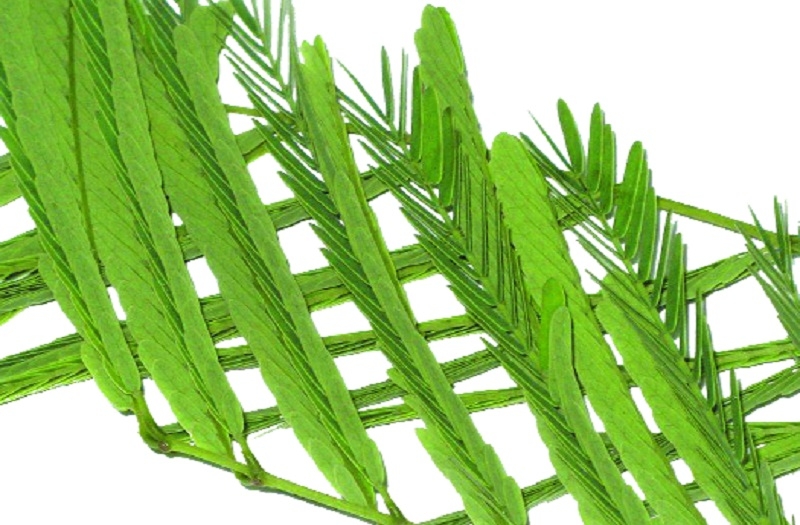
The plant contains beta sitosterol, beta carotene, Vitamin C, Carotenes, Glucosides, Palmitic acid, Triterpenoid, Arundoin, Feidelene, Alkaloids, Erganovin, Erganovinine, Ferulic, mono and oligo saccharides, Glucose, Fructose, sucrose, starch and lignin. Used in: Chronic diarrhoea, dysentery, epilepsy, hysteria, rhinitis, ophthalmia, diabetes, cancer, eczema, impotency, menorrhagia (abnormal menstrual periods), wound healing, blood purifier, anti-inflammatory, vomiting, dyscrasia and dysuria. Shami Patra: It is known as sponge tree in English. Traditionally it is known as Chonkar or Safed Kikar. In Hindi it is popular as Khejadi or Shami. In Sanskrit it is called as Keshdamani, Shankuphala or Papshamani. Leaves, Bark, flower and pods (fruits) are used as medicine.
Different parts of the plant are used for different medicinal purposes. The astringent bark and heartwood are used as a substitute for Acacia catechu to treat leprosy, pruritis, wounds, bronchial asthma and stomatitis. A decoction of the ground bark is used as a gargle to relieve sore throat and toothache, and the dried, powdered bark is applied externally to promote healing of ulcers. An infusion of the tender leaves is used as an astringent and remedy for diarrhoea and dysentery. The extract of leaves is used to kill intestinal parasitic worms. The pods are used in the treatment of urino-genital diseases. The seeds are reported to have a hypoglycaemic effect. (Reference: Ayurved Ka Pran, Vanaushadhi Vidnyan, published by Department of Garden and Herbs, Shri Vedmata Gayatri Pariwar Trust, Shantikunj, Haridwar (Uttaranchal).