Sheetala Saptami: Represents Nature’s healing power
15 Mar 2020 10:50:54
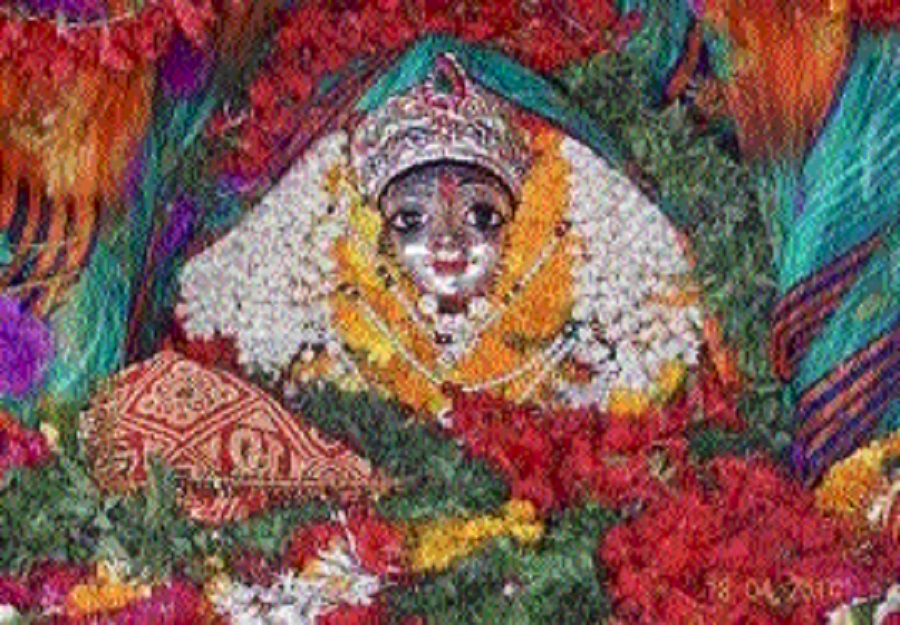
By Rajendra DIwe :
Sheetala Saptami is celebrated twice in a year in Chaitra and Shravan months. Sheetala Saptami is celebrated in city on March 15
Chickenpox and smallpox are contagious diseases. These diseases have a long history. Now, children after birth are being vaccinated to control chickenpox or smallpox. But when there were no vaccines in ancient times, people were praying to Gods and Goddesses to relieve them from the diseases. There are many hymns, shloka and rituals related to many diseases in many Hindu scriptures. Also the days in Hindu calendar are dedicated to these Gods and Goddesses. Sheetala Saptami is one such festival which is dedicated to Goddess Sheetala Mata.
The devotees worship Goddess Sheetala to protect their children from contagious chickenpox and smallpox. In modern days people have lost the importance of this festival. About 10 years ago, there were temples of Sheetala Mata in all towns in India. Sheetala Saptami is observed twice in a year, once during the ‘Krishna Paksha Saptami’ (7th day of the waning phase of moon) of ‘Chaitra’ month and the another is during the ‘Shukla Paksha Saptami’ (7th day of the waxing phase of moon) in ‘Shravana’ month. The devotees will celebrate Sheetla Saptami on March 15 this year as Sheetala Saptami which falls in the Chaitra month is very important. On the day of Sheetala Saptami, devotees worship Goddess Sheetala to protect their children from contagious chickenpox and smallpox.
This festival is celebrated all over India, especially in the rural regions. In the southern states of India, Goddess Sheetala is worshipped as ‘Goddess Poleramma’ or ‘Goddess Mariamman.’ In Karnataka and Andhra Pradesh, Sheetala Saptami is observed as ‘Polala Amavasya.’ The significance of Sheetala Saptami is mentioned in the ‘Skanda Purana.’ In Hindu scriptures, she is the Goddess of smallpox. She is an incarnation of Goddess Parvati and Goddess Durga, the two forms of Shaktis worshipped in Hinduism. Goddess Sheetala represents Nature’s healing power. Devotees worship Sheetala Mata along with their children to seek protection from smallpox and chicken pox. The word ‘Sheetla’ means ‘to cool.’ It is believed that Goddess Sheetla cools her devotees who are suffering from contagious diseases. A legend says, “Goddess Durga has incarnated as Katyayani, the daughter of sage Katyayan to destroy evil demonic forces of the world. She killed many demons.
Jwarasur, the demon of fever, started spreading incurable diseases. Katyayani cured the diseases. To relieve the world from all fevers and diseases, Katyayani took the form of Sheetala Devi. She held a broom, winnowing fan, a pot of water and a cup. She cured all the diseases of children. Katyayani requested her friend Batuk to confront the demon Jwarasur. A battle ensued between the young Batuk and demon Jwarasur. Batuk was defeated by Jwarasur. Batuk magically disappeared into dust. Jwarasur was shocked and wondered where he went. Batuk has assumed the form of an awful male figure with three eyes and four arms. He held an axe, sword, trident and demon head. He was black in color with flowing hairs, and his eyes were blazing with fury. He wore a tiger-skin and skull garland. Batuk took the form of Lord Shiva's ferocious form, the Bhairav.
A battle broke out between them. Jwarasur created many demons, but Bhairav managed to destroy all of them. Finally, Bhairav wrestled with Jwarasur and killed him with his trident.” The name ‘Sheetala’ also represents stale food. Another name for the festival of Sheetala Saptami Basoda (stale food) because people do not light a fire to cook food while observing Sheetala Saptami, and eat cold food cooked previous day. The festival is more predominant in the northern states of the country such as Gujarat, Rajasthan and Uttar Pradesh, but in general, is celebrated all over the country. In Gujarat, however, the more prevalent custom is to celebrate Sheetala Saptami on similar lines seven days after Janmashtami, also dedicated to the Goddess Sheetala.
No fresh food is cooked even on this day.It is the tradition to eat food which is cooked a day before the saptami or ashtami. In some states people celebrate Sheetala Ashtami and do not cook food on Sheetla Saptami. They consume the food, which is prepared on the previous day. Eating hot food is strictly prohibited. Several devotees even keep a fast on this day. Women keep the fast for the well-being of her children. On Sheetala Saptami some of the devotees also get a ‘mundan’ in the honour of Goddess Sheetala.