Uterine transplant, a vital yet low priority surgical procedure
03 Jul 2020 12:39:55
By Shivanjali Verma :
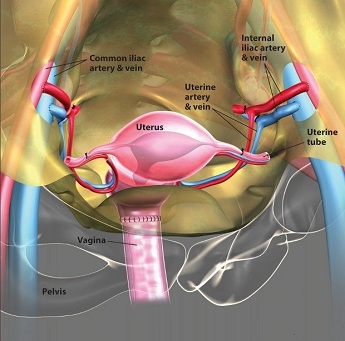
“The uterus has a large role to play in the on the quality of a woman’s life. Unfortunately, one in everey 500 woman suffers from Uterine Factor Infertiliy (UFI) which deprives her of conceiving post-marriage. Womb transplantation has been carried out for UFI i.e. when someone is born without a womb or the womb has been removed for medical reasons”, said Dr Anuradha Dang, gynaecologist and President of Jabalpur Obstetrics and Gynaecology Society while informing about JOGS initiative to create public awareness for organ donation.
Till date, approximately 50 such operations have been performed worldwide, resulting in 16 live births. India’s first transplant was done on May 19, 2017 in Pune. The baby, Radha, was 1.45 kg and was delivered by Caesarean section. The first two unsuccessful uterine transplants were performed in Saudi Arabia (2002) and in Turkey (2011). Both were cadaveric implants as uterus was taken from patients with brain death. The first ever live baby was born after transplant in 2014 in Sweden.
Dr Dang expressed that organ transplants are carried out for vital organs like heart, liver, kidneys, lungs etc. as a lifesaving procedure. However, the increasing acceptability of non-vital transplants like face, hand and larynx lend credence to the concept of uterine transplant. She said that it is debatable whether the cost and risk of multiple surgeries is justified when options like adoption and surrogacy are available. “The answer is ‘yes’ because as a nation, we need to constantly challenge ourselves scientifically to keep pace with the rest of the world.”