Mindless rampage on Himalayas in name of devpt must stop: Chipko movement leader
| Date :09-Feb-2021 |
GOPESHWAR :
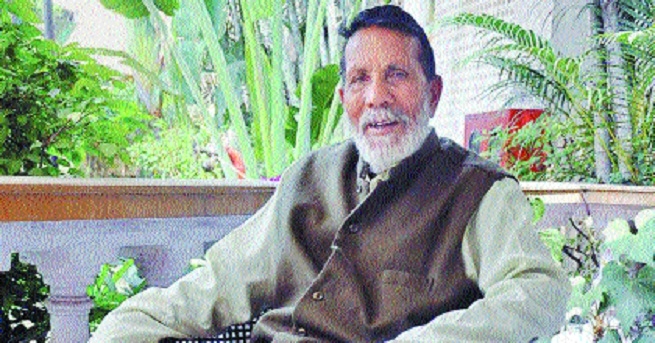
Pointing out that the Himalayas are too delicate to bear too much human intervention, Chandi Prasad Bhatt, the Chipko movement leader, said, “Sunday’s avalanche was a wake-up call and so was the 2013 Kedarnath deluge in which thousands perished but authorities refuse to learn from natural calamities.”
THE glacial burst near Chamoli district’s Raini village, the cradle of the Chipko movement, should serve as a wake-up call to stop the rampage on the Himalayan ecological system in the name of development, said Magsaysay awardee Chandi Prasad Bhatt on Monday. According to the 87-year-old environmentalist, who was a Chipko movement leader, projects like the Rishi Ganga hydel project, which bore the brunt of Sunday’s calamity, should not have been given environmental clearance. Bhatt said that in 2010 he had written to the then Environment Minister warning against the adverse effects of the project.
“Had my advice been heeded, the loss of lives and largescale damage to property at the project site could have been prevented. The mindless rampaging on the Himalayas in the name of development must stop,” he said. A portion of the Nanda Devi glacier broke off in Uttarakhand’s Chamoli district on Sunday, triggering an avalanche and a deluge in the Alaknanda river system that washed away hydroelectric stations. The sudden flood in the middle of the day in the Dhauli Ganga, Rishi Ganga and Alaknanda rivers -- all intricately linked tributaries of the Ganga -- triggered widespread panic and large-scale devastation in the high mountain areas.
Two power projects -- NTPC’s Tapovan-Vishnugad hydel project and the Rishi Ganga Hydel Project -- were extensively damaged with scores of labourers trapped in tunnels as the waters came rushing in. Pointing out that the Himalayas are too delicate to bear too much human intervention, Bhatt, who has also been honoured with the International Gandhi Peace Prize, said, “Sunday’s avalanche was a wake-up call and so was the 2013 Kedarnath deluge in which thousands perished but authorities refuse to learn from natural calamities.” A devastating natural disaster in the form of torrential rains of unseen magnitude had struck Kedarnath on 16-17 June in 2013.
The banks of the Chorabari lake in Kedarnath collapsed due to a cloudburst that had resulted in a major flash flood causing widespread destruction in Uttarakhand and led to heavy losses to infrastructure, agriculture lands, human and animal lives. “The Chipko movement had begun from Raini village after largescale devastation in the Rishi Ganga and Alaknanda Valleys caused by a devastating flood in 1970. The flood awakened the locals to the need of saving the forests of Raini,” said Bhatt. The movement had resulted in a ban on cutting of trees in the catchment area of the Alaknanda river, he said.