ASI’s spl study unit to come up in city
| Date :16-Nov-2023 |
Special Correspondent
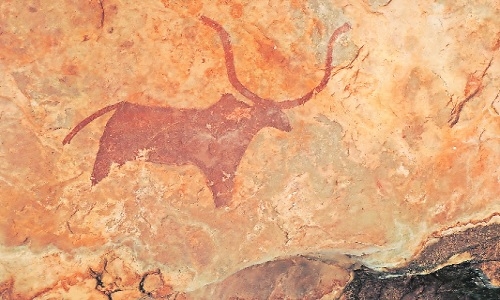
FOR the first time in the country, the Archaeological Survey of India (ASI) would start its special unit in Nagpur city exclusively to study ancient rock art. Rock art includes pictographs, petroglyphs including carvings or inscriptions, engravings (incised motifs), petroforms and geoglyphs. In India, a majority of the ancient rock art sites are in Madhya Pradesh and Vidarbha region of Maharashtra. The most famous are the Bhimbetka rock shelters (included in the list of UNESCO World Heritage Sites in 2003) and 247 rockshelters with paintings discovered by the ASI archaeologists at Gawilgarh, district Betul in Madhya Pradesh. These rockshelters are famous worldwide for their cave paintings that provide evidence of human civilisation during 10,000 BCE. In Maharashtra, some of these sites are in Bhandara, Nagpur and Chandrapur districts.
The aim behind setting up the study unit is to open the doors to the realisation that rock art is pure and absolute and hence capable of dispensing great experience beyond its original culture and time. The Rock Art Study Unit would function under the Nagpur-based ASI’s Prehistory Branch at Purattatva Bhavan, Seminary Hills. Govind Mohan (IAS), Secretary, Ministry of Culture, Government of India would inaugurate the unit at Purattatva Bhavan at 10.30 am on November 17. Prof Kishor K Basa, Director General, ASI would preside over. To mark the occasion, a photo exhibition titled “Glimpses of Rock Art in India” has been organised. After the inaugural function, a panel discussion on Rock Art of India would be held at the same venue. Ramesh S Mulimani, Superintending Archaeologist, Prehistory Branch, ASI Nagpur, informed that experts in the field would participate in the panel discussion.