‘Cinema is a creator of standards’
| Date :09-Dec-2024 |
By Dewang Rathod :
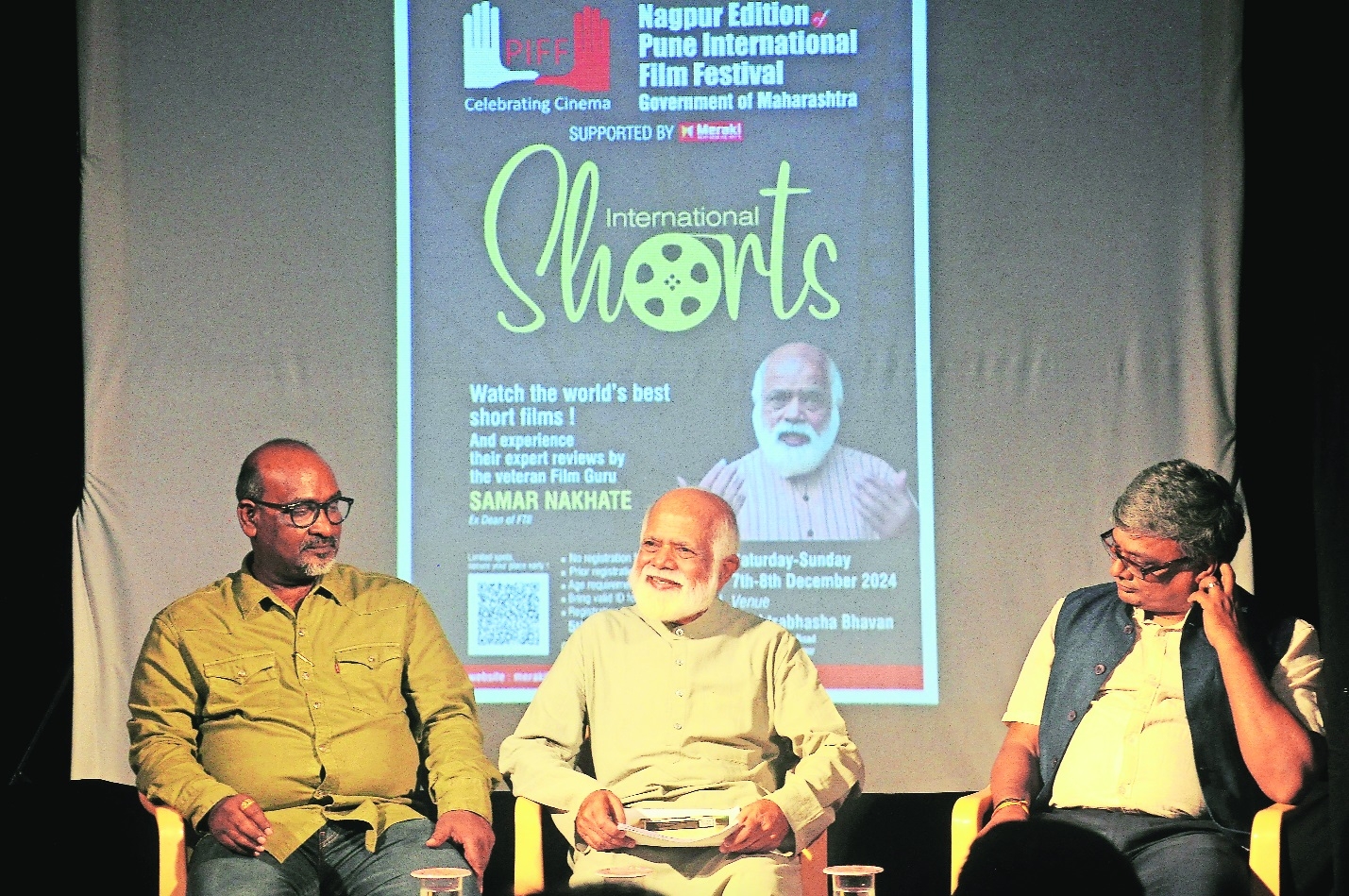
“Cinema is no longer just a reflection - It is a creator of standards. It defines what we aspire to be and even what we value as morals in our society. But I worry. Much of what is created today caters to escapism rather than meaningful reflections.” observed Dr Samar Nakhate, former Dean of Film and Television Institute of India (FTII).
To understand the dual role of cinema in our society, ‘The Hitavada’ sat down with Nakhate, exploring the standards set by Indian film industry. He is passionately involved in creating new professionals for film, television and threatre. While acknowledging the creative evolution of films, Dr Nakhate raised points about the industry’s growing tendency towards escapism and its influence on cultural norms.
“Most mainstream films today glorify the world that is far removed from the reality of a common man. Heroic narratives, luxurious lifestyles and happy endings, dominate more than ever.” These films provide a temporary escape but at the same time also set unrealistic standards and expectations and distance people from facing real life issues.
A post-graduate in Cinema and Film Direction from FTII, Pune and Advanced Training in Video Programming and Production from Boston University (USA) and an awardee of the Fulbright Scholarship, he highlighted cinema’s past with examples from
the golden era of films. “Movies like ‘Mother India’ and ‘Ankur’
highlighted societal struggles
head-to-head. Traditional films inspired audiences to confront and question the world around them, try comparing that to the domination of commercial blockbusters today, where performance often outweighs substance,” he remarked.
Whn asked if focus of escapism is purely market-driven, Dr Nakhate replied, “Filmmakers argue that
they create and provide what people demand, but this
cycle perpetuates itself and
the audience is offered
little else. By offering larger-than-life narratives, visuals and emotionally charged plots, directors tap directly into the human desire
for detaching from reality.
This market-driven attitude prioritises box office success over storytelling depths, often sidetracking meaningful
narrations. Cinema has
the power to shape demand and not just respond to it.
Why avoid telling stories that matter?” questioned Dr Nakhate.
While describing the excessive feeling of self-satisfaction in viewers of commercial films and its effect on self standards, Dr Nakhate addressed it as ‘Cultural smugness’. “If the narratives that we consume avoid challenges, so will the society that we build,” he added. Filmmakers should realise that they’re not just creators of entertainment: they are the keepers of cultural growth and their choices resonate till decades.
Today’s filmmaking trend is not just about affecting younger generation but also fostering mindset of so called ‘Brain Rot’ individuals, said the renowned film academician when asked about narratives in films.
Instant gratification and escapism have their place, comfort, entertainment and the most common cause is - it unites people to avoid harsh reality. Today, it needs to be balanced with stories that provoke thought and demand change. Film industry should emphasise more on nurturing creativity and skill that inspire action, not indifference, said Dr Nakhate. “The responsibility of directing a film lays in ensuring that it remains both a mirror and a lamp to the society,” Dr Nakhate concluded.