A glimpse into Muria Tribal weddings of Bastar
| Date :04-Mar-2024 |
By Dr Abhinav Mishra
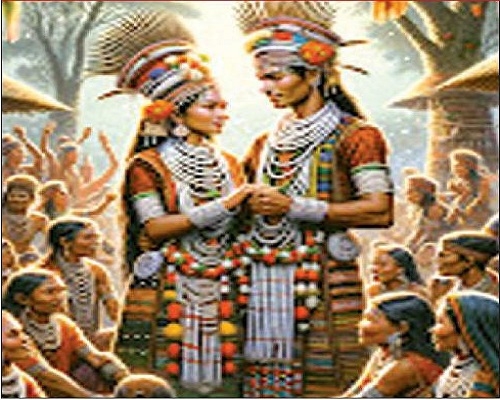
Deep in the verdant heart of Bastar, the Muria tribe upholds a fascinating array of matrimonial traditions, embodying a unique blend of cultural depth, communal unity, and ancestral reverence. In Muria culture, marriage represents the joining of clans, with partners chosen from different but compatible gotras, reflecting their strong tribal identity. Cultural expert Subhash Pandey highlights the community’s elaborate wedding traditions, starting with discussions in village markets to identify potential matches. Following this, a member of the groom’s family initiates the formal engagement process, beginning a series of detailed rituals. One of the most captivating aspects of Muria weddings is the engagement ceremony, where the groom’s family, led by a figure known as the “Bade Peda,” brings locally brewed liquor to the bride’s family, symbolising the sealing of the union. The engagement is a communal affair, celebrated with the communal drinking of locally brewed liquor and the collective joy of the village. Traditionally, the groom’s side bears the wedding expenses. This includes a symbolic cash guarantee to the bride’s father, challenging the conventional dowry system.
It places an emphasis on hospitality and respect towards the bride’s family. The groom’s family’s obligation to present specific gifts - twelve trays of rice, a goat, a pig, and nine pots of Landa (rice beer) - underscores the communal ethos of sharing and reciprocity that defines Muria society. The eve of the wedding is marked by the bride dancing through the village with her friends, in a joyful procession visiting relatives and village elders, culminating in a series of rituals performed exclusively at the groom’s village. A unique feature of Muria weddings is the bride’s procession to the groom’s village, where key ceremonies take place. Veiled, the bride is joyously escorted by her kin and friends, with music and dance. The procession stops at a water body, performing rituals that symbolise entering new life phases, including a symbolic stream crossing led by the bride’s brother-in-law. On the wedding day, the bride’s identity is playfully concealed among her companions, challenging the groom’s mother to recognize her own daughter-in-law. Once identified, the bride’s feet are washed by the groom’s mother, marking her welcome into the new family. The celebrations continue with a communal feast by a water body and a spirited procession headed by the bride’s sisters. They engage in a playful ritual, requesting gifts through song and dance as they guide the bride to her new home. In response, the groom’s friends present a humorous challenge by placing a chicken atop a pole, sparking a lighthearted attempt by the sisters to retrieve it. This playful exchange, filled with laughter and fellowship, reinforces community ties and culminates in the symbolic presentation of the bride to the groom.
The Muria tribe replaces the bride’s departure tears with her friends’ songs, highlighting a positive emotional expression. When the bride’s family leaves, they receive “Sopan Kunda,” two pots of Landa (rice beer), symbolising lasting bonds and shared joy in the union. In a unique Muria tradition, the newlywed bride symbolically tries to return to her maternal home post-wedding, reflecting her attachment to her birth family. If she succeeds, her husband must fetch her, demonstrating his commitment and the marriage’s bond. If she chooses not to return, the husband can seek to reclaim wedding expenses, highlighting the ritual’s role in balancing autonomy and economic aspects within the marital alliance. The Muria tribe also demonstrates progressive views on widow remarriage, showing a compassionate approach to life’s unpredictable turns. When a widow, referred to as “Rand Mutte,” is to be remarried, her guardians seek a suitable widower, known as “Rand Mane.” The remarriage ceremony is conducted with specific stipulations and overseen by the village headman or Patel. The prospective groom presents certain offerings to the community, including two pigs, a goat, and a sum of money. The Muria tribe’s customs celebrate not just marital unions but also community, nature, and heritage, with each ritual reflecting their deep connection to tradition and each other, embodying the vibrant essence of tribal life in Bastar.