Govt issues security measures for central hospitals
21 Aug 2024 11:17:41
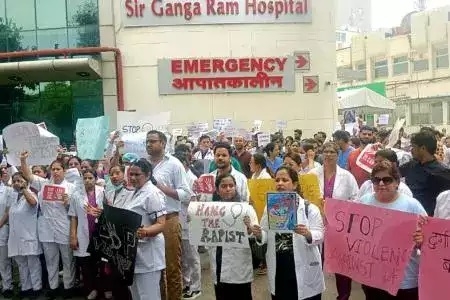
NEW DELHI,
Monitoring of entry-exit, escort to women doctors, adequate number of well secured duty rooms with basic amenities for female health professionals and deployment of women health professionals at night be preferably done in more than one in number among the measures issued by the Health Ministry.
THE Union Health Ministry on
Monday issued a list of security
measures to be implemented at
all Central Government hospitals which include strict monitoring of the entry and exit and
providing escort to women
health professionals at night.
Themovecomesamidnationwide protests by resident doctors who have been demanding
a specialcentallawtocheckviolence against healthcare workers following the alleged rape
and murder of a trainee doctor
atastate-runhospitalinKolkata.
In a communication sent to
allheadsofCentralGovernment
hospitals, the Ministry asked
them to ensure adequate number of well secured duty rooms
with basic amenities for female
healthprofessionalsanddeployment of women health professionals at night be preferably
done in more than one in number. They should be escorted in
premises while on duty and
proper arrangement of secured
transport should be made for
themforanymovementatnight.
The letter comes amid protests
by resident doctors who have
been demanding a special cental lawto check violence against
healthcareworkersfollowingthe
alleged rape and murder of a
traineedoctoratastate-runhospital in Kolkata.
The Ministry, in its communication,saidthatithasbeenevidenced for a long time that
Government hospitals are more
permeable to the public compared to private facilities, making it easier for unauthorized
individuals to enter freely.
“While accessibility is important for providing care, it can
alsoposesecurityrisks.Hospitals
sometimesbecometargetbyacts
ofviolence, includingassaulton
staff,whichcanberelatedtodisputes, dissatisfactionwithmedical care, or external criminal
activities.
Ensuring safety of
healthcareprofessionalsisvital,”
the Ministry said.
Violence or harassment
against staff can disrupt operations and affect quality of care
providedtopatients.Patientrush
increases potential for conflicts
and security breaches, it stated.
TheMinistrysaidthataddressing these concerns requires a
comprehensive approach to
security that balances accessibility with effective measures to
protectpatients,staffandintegrity of the facility.
Listing the actions to be takentoaddress thesecurityissues,
the Ministry stressed on proper
display of relevant penal provisions of the state legislation to
preventviolenceagainsthealthcare workers in hospital premises. It advised installing sufficientnumberofhigh-resolution
CCTV cameras at strategic locations including entrances, exits,
corridors, dark spots and sensitive areas.
A control room should be set
up in the institute for quick
response to an emergent situation. In the control room one
admin staff should always be
stationed along with security
persons, it said.
It asked for employment of
adequatenumberofwelltrained
security guards forpropermonitoring/patrolling/ surveillance
of the premises.
The Ministry advised that
entry and exit should be strictly monitored to allow entry