IMD turning 150, leads global weather race
| Date :14-Jan-2025 |
By Gaurav Saini and
Sagar Kulkarni :
NEW DELHI
FROM a few rain gauges in 1875 to rivalling the world’s best weather agencies, the India Meteorological Department (IMD) has weathered its way to becoming a global leader in forecasting.
Born out of calamities -- a devastating cyclone in 1864 and monsoon failures in 1866 and 1871 -- the IMD, turning 150 on January 15, has transformed from a humble setup into a cutting-edge hub of weather science.
“HF Blandford, the first Meteorological Reporter to the then Government of India, prepared the first rainfall map of the country (undivided India) using data from 77 rain gauges... The IMD has come a long way since its modest start,” IMD Director General Mrutyunjaya Mohapatra told PTI.
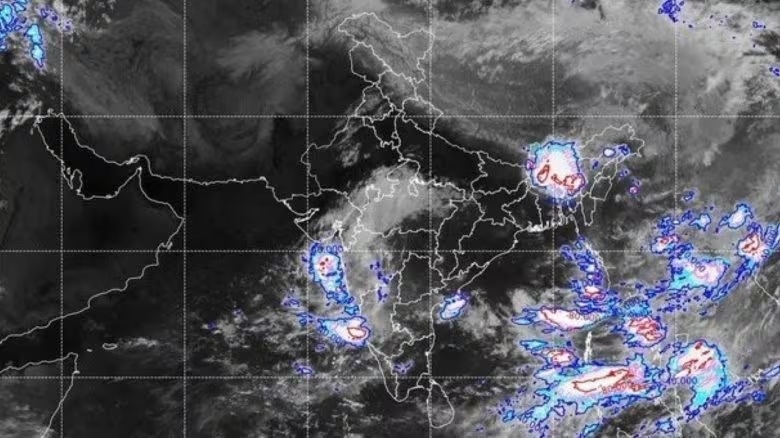
According to its 2023 report, the IMD operates 39 Doppler Weather Radars, INSAT 3D/3DR satellites providing 15-minute cloud updates, and a robust network of 806 Automatic Weather Stations, 200 Agro-AWS, 5,896 rain monitoring stations, 83 lightning sensors and 63 Pilot Balloon Stations.
The IMD’s key advancements include rapid severe weather assessments (2015), 6-minute cyclone scans (2018) and upgraded satellite systems.
Its advanced numerical weather prediction models now deliver seamless forecasts from a few hours to an entire season, backed by high-resolution global models and seasonal forecast systems introduced between 2016 and 2021.
PM Modi to launch ‘Mission Mausam’: PRIME Minister Narendra Modi will launch “Mission Mausam”, which aims to make the country a “weather-ready” and “climate-smart” nation, here on Tuesday as part of
the events marking the 150th foundation day of IMD.