C’garh’s new war doctrineFrom Combat to Control
05 Oct 2025 09:11:11
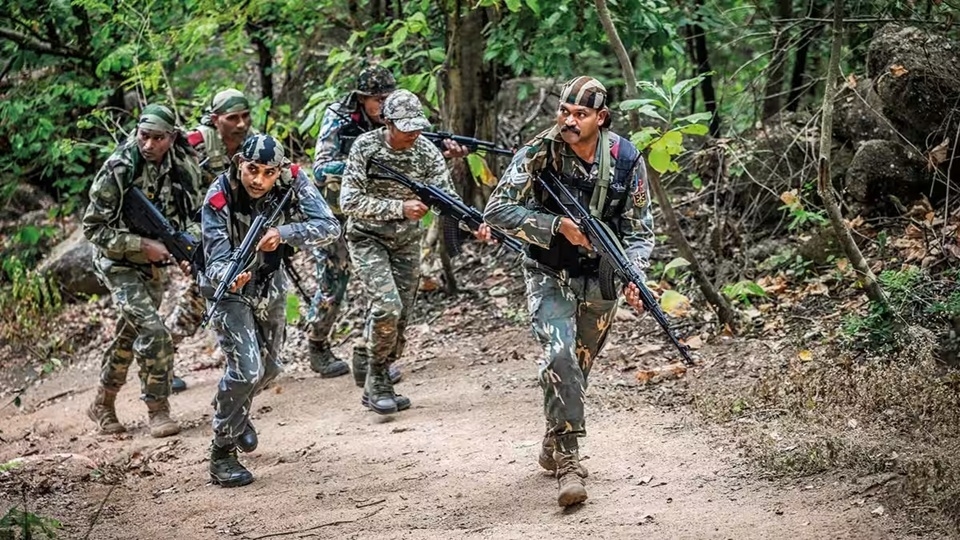
Staff Reporter :
RaipuR
CHHATTISGARH’S latest
anti-Maoist strategy marks a
clear shift from combat operations to long-term consolidation. A confidential 11-page police
dossier, accessed by
The Hitavada, outlines a coordinated
push across legal,
operational, and infrastructural fronts to permanently
dismantle insurgent networks, not just contain them.
The document stresses precision over numbers.
Surrendered Maoist cadres are
to be registered, tracked, and
assessed for potential use as
guides or improvised explosive device (IED) neutralizers
under strict supervision. Each
district must maintain a live
database, complete with biometric records, to prevent reentry of former fighters under
false identities. The policy
strictly bars minors from the
surrender process and insists
that once processed, no cadre
can slip back into insurgency.
The goal is to extract actionable intelligence while ensuring lawful rehabilitation.
On the legal front, prosecution is now integrated into
real-time operations. Police have
been instructed to
prepare arrest
memos, seizure
lists, and digital
evidence during action itself,
so that prosecutors can directly align charge-sheets with
field intelligence. Special
emphasis is laid on the
Narayanpur district, where
cases under the Unlawful
Activities (Prevention) Act
(UAPA) are being fast-tracked
with support from the
National Investigation Agency
(NIA). The focus is to ensure
that every encounter or arrest
converts into a legally sustainable conviction.
Force deployment forms
the structural backbone of the
dossier. The Central Reserve Police Force (CRPF) has been
asked to redeploy units from
stabilized zones into vulnerable regions.
Atthe same time, theBorder
SecurityForce (BSF) andIndoTibetanBorderPolice(ITBP)are
tasked with setting up smaller, mobile posts in potential
Maoist revival pockets.
This flexible model aims to
close escaperoutes andreduce
thedangersofcrossfire through
tighter coordination between
units. Infrastructure planning
is being synchronized with
security expansion.
The Border Roads
Organization (BRO)andPublic
WorksDepartment (PWD)have
been directed to construct
access roads and culverts to
forward posts. Bore wells are
to be drilled in advance, starting with the Idvaya-Ader axis,
to ensure water security at
camps.Reliance JioInfocomm
Limited (RJIL)hasbeenpressed
to activate pending telecom
towers since delaysin network
coveragehavehamperedcoordination. New road and camp
projects under SpecialCentral
Assistance (SCA) are being
launched simultaneously to
guarantee troop mobility
regardless of weather conditions.Foroversight, thedossier
mandates that every district
submit weekly composite
reports detailing recoveries of
IEDsandliterature,arrests,surrenders, and civic outreach
operations, supported by
photographs.
This integrated reporting
grid ensures that intelligence,
prosecution, and field operations move in sync—turning
Chhattisgarh’s anti-Maoist
campaign fromacycleofoffensives into a sustained strategy
for stability.
The report concludes starklystating that troopmovements
are shrinking rebel space, new
infrastructure is breaking isolation,andUAPAcasesare turningmere associationintopunishment. Controlled surrenders, it adds, use insider
knowledge forstate advantage.
Theoverallstrategy,thedossier
says,isnotjust tocontaininsurgency but to eliminateit denyingrebels time,ground,and the
chance to regroup, and ensuring every clash ends decisively throughmilitary action,legal
pressure, or psychological
control