Deciphering how BLOCKCHAIN electoral rolescan secureevery vot
| Date :17-Nov-2025 |
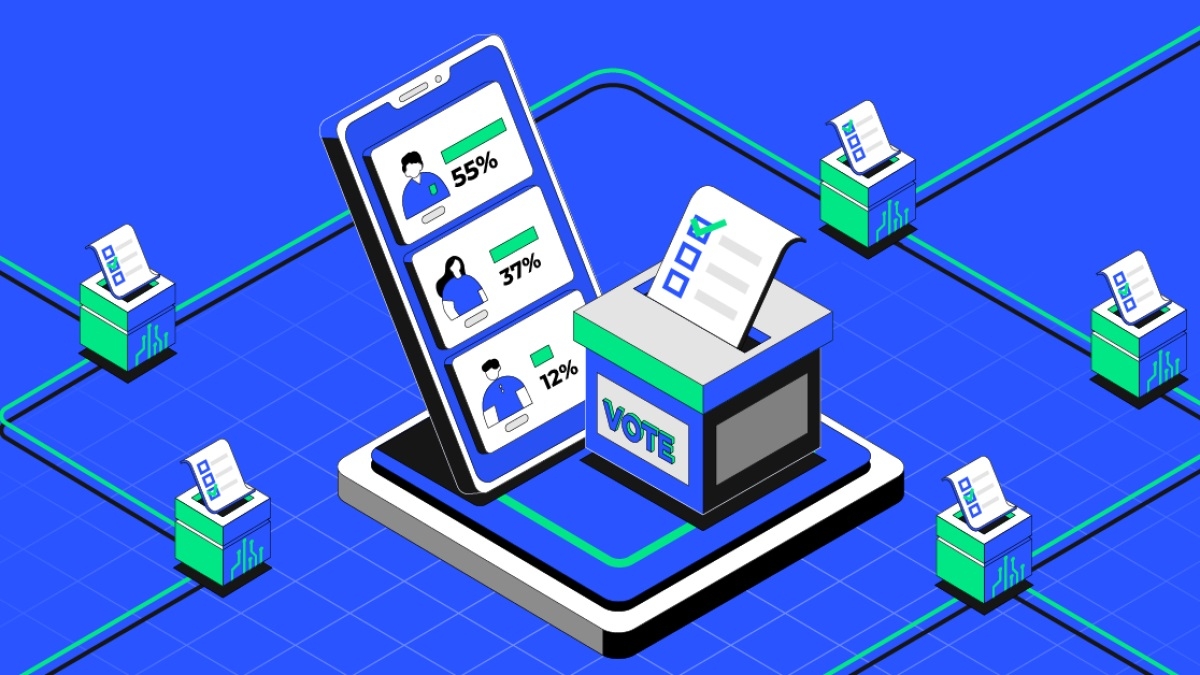
THE Maharashtra Chief Minister has proposed a groundbreaking shift-moving India’s voter rolls to blockchain technology. This promises secure, transparent
voting where no vote is lost or tampered with.
India’s voter lists have problems galore like ghost voters, duplicates and unexplained deletions. Centralised systems can be hacked or altered, shaking citizens’ trust. Blockchain offers a new way: A decentralised ledger where every change is permanent and visible to officials. Because updates are validated and recorded across independent nodes nationwide, tampering attempts are immediately detected and blocked.
This change isn’t just technical. Growing up with Aadhaar, UPI, eKYC, and DigiLocker, we know digital trust builds real confidence. Many countries are adapting to the new way. Estonia’s blockchain voting is running fraud-free for 20 years. Romania recently used blockchain to verify 19 million voters with zero fraud. Thailand, UAE, Georgia, and US states like West Virginia have piloted blockchain ballots successfully.
And if adopted in India, this new system can do wonders, for the simple reason that India’s digital assets are unmatched--Aadhaar covers 142 crore citizens-95 percent of population, as per UIDAI report of Oct 2025. UPI processes 2,000 crore transactions monthly and 66.5 crore daily, 85 percent of digital payments as per RBI.
National Blockchain Framework has secured over 34 crore documents across NIC centres, states MeitY.
How the Blockchain Ecosystem Works Voter records link to Aadhaar, stopping fake or duplicate registrations. Municipal bodies feed real-time data-births, deaths, migrations-updating blockchain voter rolls automatically. Independent blockchain nodes validate data, ensuring integrity nationwide. Election Commission has real-time audit access, boosting transparency and dispute resolution.
On the day of the election voters show Aadhaar or digital ID for instant blockchain verification. Votes are cast using EVMs while participation is immutably recorded on the blockchain. No one can vote twice and records can’t be erased.
But this technology goes beyond elections.
It can do wonders to ensure paperless governance. Blockchain can secure land records, certificates, licenses, and more, thereby building a fully paperless, corruption-resistant governance system. Migrants, students and the elderly get trusted, portable digital IDs nationwide.
For India’s digital generation, this is more than tech, it’s fairness and inclusion. The initiative marks a once-in-a-generation step to end voter tampering and exclusion,
making democracy truly secure.

By Namman Soni