Youth & mental well-being in a fast-paced world
24 Nov 2025 11:25:45
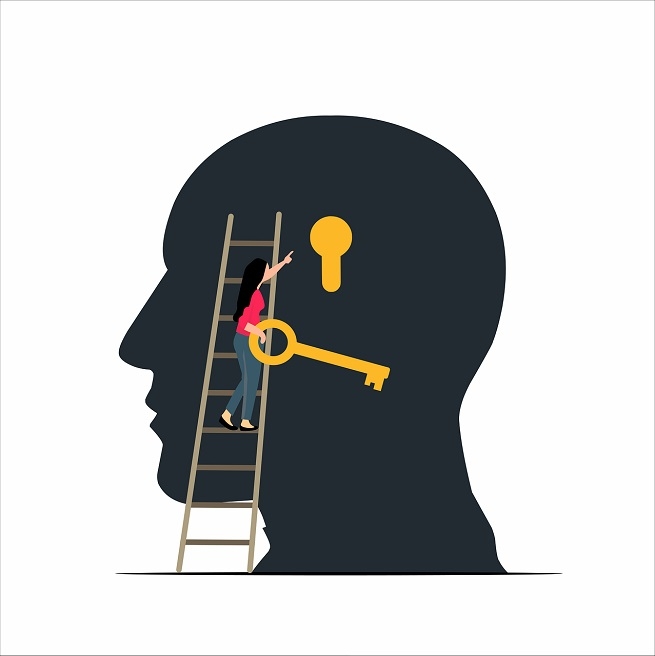
Today’s youth navigate a world so different from any previous generation. They are expected to excel in so many new areas. The speed at which information, expectations, and judgments travel has transformed adolescence and young adulthood into a high-stakes performance where every misstep feels magnified.
Stress, in small doses, can be motivating. But when it becomes chronic-when the pressure never truly lifts-it transforms into burnout, a state of emotional, physical, and mental exhaustion that can derail even the most capable students. Recognising the signs is the first step. Burnout doesn’t announce itself dramatically; it creeps in through constant fatigue, difficulty concentrating, irritability, loss of interest in activities once enjoyed, and a persistent sense of inadequacy. Many students normalise these feelings, believing that they are simply part of being a ‘serious student’, when actually, they are warning signals that something needs to change.
The brain consolidates learning during rest, meaning that a well-rested student who studies six hours often retains more than an exhausted one who studies ten. Breaking study sessions into focused intervals with genuine breaks-not just phone scrolling-helps maintain mental clarity.
Physical health is mental health This isn’t just a slogan. Sleep is non-negotiable. Nutrition matters too.
Talking about it changes everything Indian culture often treats mental struggles as weaknesses to be hidden rather than challenges to be addressed. But keeping stress bottled up only intensifies it. Whether it's a trusted friend, family member, teacher, or counselor, finding someone who will listen without judgment can release the pressure valve before it explodes.
Setting boundaries with perfectionism is crucial. Many students operate under the belief that anything less than perfect is failure.
This all-or-nothing thinking creates impossible standards. Excellence is admirable, but perfection is a myth. Social media has revolutionised how young people connect, learn and express themselves. It has also become one of the most significant threats to their mental well-being.
When you scroll through Instagram or YouTube, you are not seeing reality, you are seeing curated highlights. Research consistently shows that time spent on social media correlates with increased rates of depression, anxiety and body image issues among youth.
When your sense of value becomes tied to external metrics-followers, likes, comments-you hand over control of your self-esteem to an algorithm and a crowd of people who know nothing about your real life.
Perhaps the most damaging myth of modern achievement culture is that success is a solitary journey-that asking for help is weakness and that we should all be strong enough to handle everything alone. The truth is precisely the opposite.
Peer support is uniquely powerful because peers understand the specific pressures of your life stage in ways that well-meaning adults sometimes cannot. Family remains foundational. Parents who model healthy stress management and emotional expression teach these skills far more effectively than those who simply preach them.
The mental health crisis among youth is not an individual failing-it’s a systemic challenge requiring systemic solutions. It demands that we reimagine education systems that prioritise well-being.

By Vasavi Barde