17-year-old Atharva builds AI device ‘RAPTOR’ to detect elephant poaching
| Date :25-Nov-2025 |
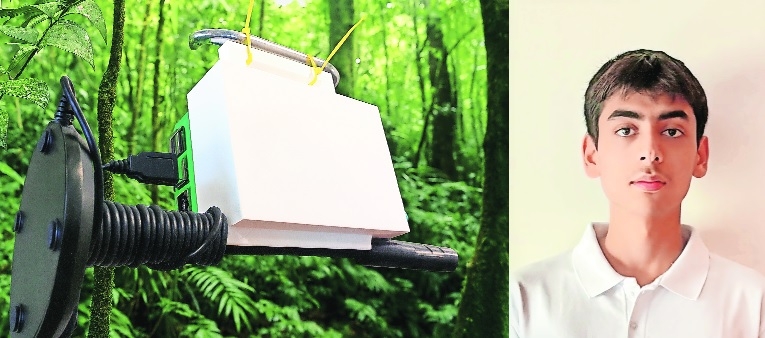
The Raptor Atharva Agrawal
By Shashwat Bhuskute :
Pushes conservation technology forward n AI-Powered field tool promises faster anti-poaching response
Seventeen-year-old Atharva Agrawal from the city has developed an advanced AI-powered acoustic and visual detection system that could transform wildlife protection across India’s forests. Named RAPTOR - Rapid Alert and Patrol Tracking for Operational Rescue, the device identifies gunshots, elephant distress calls and suspicious human activity in real time, enabling authorities to respond up to eight times faster than conventional manual patrolling.
RAPTOR analyses soundscapes and movement patterns in remote forest regions using directional microphones and compact cameras.
The system autonomously filters audio signatures, detects anomalies and instantly transmits alerts to Forest officials, reducing missed threats during critical moments. Early trials have shown 95% accuracy in detecting intrusions, allowing officers to prioritise genuine emergencies.
Atharva began this journey last year with Project Vann Mitra, an initiative to raise awareness about human-wildlife conflict (HwC). His current collaboration with Dr Andrew Farnsworth of the Cornell Lab of Ornithology aims to refine RAPTOR for field deployment across vulnerable elephant corridors. The device has operated continuously on battery power for over 24 hours during tests, demonstrating strong suitability for remote forest terrains.
A low-cost, real-time wildlife protection system designed to save elephants before it’s too late: For Atharva, the project is a natural extension of his deep emotional connection with wildlife. He sees technology not as an end in itself, but as a tool to reduce human-large mammal conflict and create safer habitats for endangered species. With poaching and habitat pressures continuing to push species like elephants and rhinos towards extinction, innovations such as RAPTOR signal a shift from reactive enforcement to proactive, data-driven conservation. As Atharva prepares the next phase of development, he hopes his work will inspire other young people to pursue wildlife science and contribute to a safer, more humane coexistence with nature.
Device Specifications
- Type: AI-based acoustic and visual detection system Sensors: Directional microphones + low-light camera
- Sensors: Directional microphones + compact low-light camera
- Detection Capabilities: Gunshots, elephant distress calls, human intrusion
- Alert Speed: Under 2 seconds (wireless transmission)
- Power: 24+ hours on continuous battery operation n Build: Low-cost, portable, weather-proof enclosure
- Purpose: Real-time anti-poaching and HwC monitoring in remote forest areas