PLUGGING GAPS: NMC proposes data sharing of property transfers from IGR&Stamps
| Date :28-Nov-2025 |
Staff Reporter :
Integration of servers with minor modification in software can save time for civic officials to update tax records of new owners ensuring timely collection of property tax
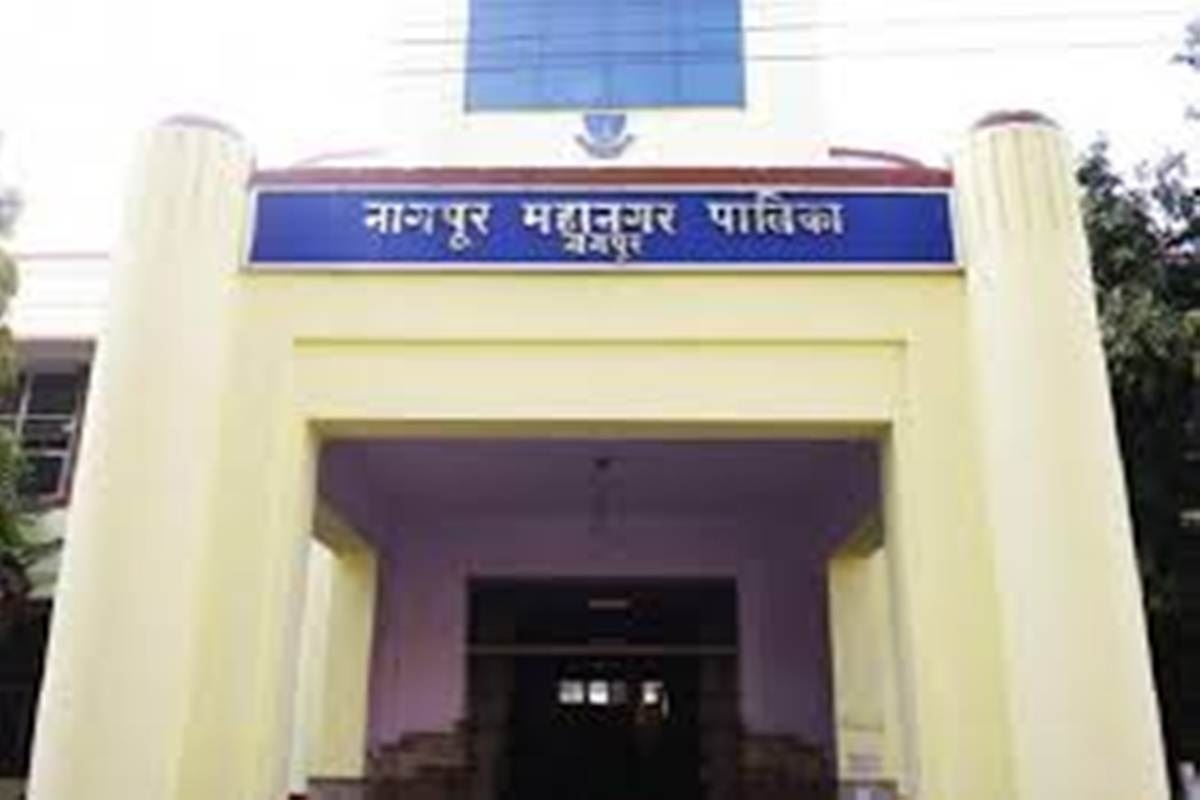
With an eye on plugging the gaps in property tax data base, Nagpur Municipal Corporation (NMC) held talks with office of Inspector General of Registration and Stamps, proposing integration of servers for real time updation of property transactions. The seamless flow of data can save considerable time for civic body in updating its property tax record. Accruals from property tax are quite low even as property market in city is booming and hence, civic body officials are keen on a faster process to identify new owners to ensure timely assessment and collection of dues.
After years of study, officials realised that new owners fail to complete formality as to mutation with NMC, though it is must. More than that, most of the time, property owners, post-buying, fail to realise need to pay their property tax in time.
This happens mostly in case of open plots. In case of default, NMC’s Tax Department personnel work gets quite tough to locate the new owner and serve notice for clearing of dues, in absence of latest updated record about transfer of property due to sale or gift deed. For the same, the field team in Property Tax Department depend on city survey records, which again is a time-consuming process.
For the same, Revenue Department officials discussed the issue at length with local officials of IGR&Stamps. Milind Meshram, Deputy Commissioner, NMC, said that as per procedure, at the time of registration of property, the latest tax receipt is sought from the seller.
The NMC has proposed that a column about Index Number or UPIN No that is mentioned on tax receipt be incorporated in the server of IGR& Stamps. So, at the time of filling up other land data, the Index No to must be added and NMC to should automatically get update on change of property ownership. Same can happen once the data sharing arrangement between two organisations is finalised.
Post integration of NMC and IGR& Stamps servers. the data would seamlessly flow between the two agencies.
The same would be fulfilling the mandate of Ease of Doing Business as described by Maharashtra Government. This would spare buyers considerable time as they would not require to shuttle from one office to another for completing the formalities of mutation, Meshram pointed out. For the IGR&Stamps also, the mention of UPIN or Index number would enable them to assess the data as to status of property tax relating to property under registration. They can investigate the latest tax status of the property under consideration of registration that would reduce the paper work for the seller.
The advantage for NMC is that they need not have to wait for property owner to complete the mutation formality with their respective Zone office.
The mutation with NMC enables updating the name of the new owner in property tax record. While most of time, new owners are not aware of the process or do not care for following up mutation process with NMC. But, Meshram said, when the said property is put up for resale, the owner faces hurdles since the name of old owner still remains on property tax receipt. In case of loan case, the purchaser faces this hurdle that delays the process.
As of today, IGR only while registering the sale deed is also facilitating updating of names simultaneously with the office of City Survey. This facility was initiated a few years back that has provided huge respite to citizens from going separately for adding their names in the property card. The addition of name on property card is the most crucial step in completing or cementing ownership of the property.
Revenue Deptt seeks co-sharing
of OC data from Town Planning
Revenue Department, on Wednesday, also held confabulations with their counterparts in Town Planning, NMC, discussing steps to exchange of data relating to creation of new property vis-a-vis updating tax record. Milind Meshram said, they proposed that once occupancy certificate is issued, the data can be shared with the Property Tax Department. For the same, they have discussed ways to integrate data servers of both departments. This can be done by incorporating UPIN number of the property in the OC document. Meshram said, once the Tax Department learns that OC is issued, the Tax Inspector can visit the spot and survey the new property and initiate tax demand. For example, these days, old property, where only one house exists, now a multistoreyed building is constructed. This automatically means number of new units has increased and in absence of real time data, the Tax Inspector is at a loss to learn about creation of new units.