Swami Satyananda Saraswati The rebel saint who revolutionised yoga
06 Nov 2025 12:35:40
By Siddhartha Mishra :
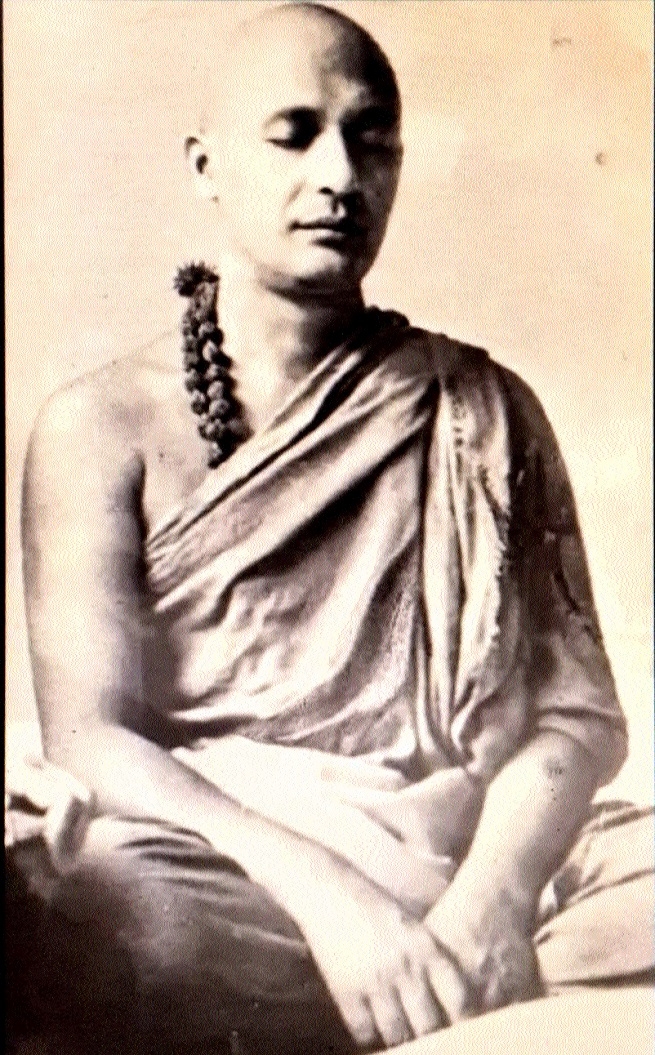
Swami Satyananda Saraswati was a pioneering Indian yogi who transformed yoga from an insular spiritual practice into a dynamic global movement that engaged modern life. Born in 1923 in Almora, Uttarakhand, his spiritual journey began in youth and gained momentum after his initiation by Swami Sivananda into the Dashnami Sannyasa tradition in 1943. Unlike many monks who remained within their ashrams, Satyananda was sent out to spread the message of yoga, embarking on more than eight years of wandering as a mendicant across India and neighboring countries. This deep immersion among diverse peoples enabled him to absorb both spiritual wisdom and everyday realities, shaping a holistic perspective that would define his teachings.
Satyananda was unique among yogis for both his scholarship and his practical engagement—comfortable discussing the Upanishads, demonstrating tantric kriyas, or conversing with scientists and villagers alike.
His dynamic approach bridged ancient traditions and modern rationality, making him a revolutionary teacher. In 1963, he founded the Bihar School of Yoga (BSY) at Munger, Bihar, which became a center for a new holistic paradigm of yoga. Here, yoga encompassed not just asanas and breathing techniques, but also karma yoga, devotion, knowledge, and daily life integration. Satyananda reframed yoga as a practical science for mental, emotional, and spiritual growth, emphasizing its broad accessibility in schools, hospitals, prisons, and homes. His work established “Yoga Psychology,” using yogic practices for psychological balance and healing trauma.
A declared Tantric yogi, Satyananda demystified Tantra as a system for energy transformation rather than occultism, thus pioneering its responsible use in modern times. His influential books—such as on Kundalini Tantra, Yoga Nidra, Tattwa Shuddhi, and Kriya Yoga—became references worldwide, clarifying complex yogic concepts and introducing transformative techniques like Yoga Nidra well ahead of mainstream global wellness trends. He taught not only in India but across continents, making yoga relevant for stress management, education, chronic disease, and spirituality. He addressed widely varied audiences: from scientists and doctors, to prison inmates and spiritual seekers.
In 1988, at the height of his institutional achievements, Satyananda renounced all administrative roles, handing the BSY over to his disciple Swami Niranjanananda Saraswati and moving to Rikhiya, Jharkhand.
There, he devoted himself to silent service—uplifting rural communities, empowering women, and educating children with dignity, turning seva (service) into the ultimate form of yoga. His final years embodied profound detachment and nishkama karma, reinforcing his message of selfless action.
Swami Satyananda attained Mahasamadhi in December 2009, leaving behind an enduring legacy. His impact survives in thousands of yoga teachers worldwide, the therapeutic power of Yoga Nidra, and the everyday practice of seekers everywhere. He remains a rebel yogi—one who modernized tradition without diluting its essence, combining science, mysticism, reason and devotion, and who inspired personal experience above dogma or guru worship. His most radical teaching: “Don’t believe any guru; believe in your own experience. Practice, observe, and realize.”
n