Dr Dhirawani working tirelessly to make orthopaedic treatment available, approachable for all
| Date :09-Nov-2025 |
By Shivanjali Verma :
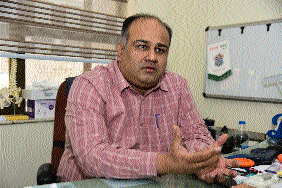
Director of Jabalpur Hospital and Research Centre and Consultant Orthopaedic Surgeon Dr Jatin Dhirawani is one of the promising orthopaedic surgeon in Jabalpur actively contributing to update bone-health of patients. With his specialty in orthopaedic surgery, Dr Dhirawani focuses on the diagnosis, correction, prevention and treatment of injuries, disorders and diseases of the musculoskeletal system. Growing up seeing his parents Dental specialist Dr Rajesh Dhirawani and Gynecologist, Dr Pragya Dhirawani actively helping the patients to get rid of their pain, Dr Jatin also decided to serve in medical field but in different arena.
So he chose the complex orthopaedic field with the determination to restore function, alleviate pain and improve the overall quality of life and mobility for patients across all age groups.
Dr Dhirawani with his team in Jabalpur Hospital, makes tireless efforts to make orthopaedic treatment available and approachable for all. Through an interview, ‘The Hitavada’ made attempt to access the possibilities in the field of orthopaedic treatment available in Jabalpur.
Q- What are the most common conditions you treat in your practice?
A: While my practice sees a wide spectrum of issues, the most frequently managed conditions include degenerative joint diseases, such as osteoarthritis requiring joint replacements (hip and knee), as well as various sports-related injuries. Additionally, we regularly treat acute and complex trauma fractures.
Q: How is the orthopaedic community addressing the needs of an aging population, specifically regarding conditions like osteoporosis?
A: For the aging population, the focus is two-fold including fracture prevention and restorative care. We employ sophisticated screening tools to identify at-risk individuals early. When fractures do occur, particularly hip fractures, a highly coordinated, multi-disciplinary approach—involving rapid surgical intervention and post-operative rehabilitation—is crucial for mitigating secondary complications and restoring independent mobility.
Q-What are the major causes resulting in declining bone health?
A: As an orthopaedic specialist, I generally observe a significant correlation between the prevalent modern lifestyle of the common public and a decline in optimal bone health. This concern stems primarily from a combination of sedentary habits and suboptimal nutritional intake, which directly counteract the physiological requirements for maintaining bone density and joint integrity throughout the lifespan.
The increasing prevalence of desk-based jobs, prolonged sitting and reliance on passive transportation results in insufficient mechanical loading of the skeleton. Bones, being living tissue, adapt and become stronger in response to stress.
A lack of regular, weight-bearing physical activity (such as walking, jogging, or resistance training) fails to stimulate bone-building cells, leading to a gradual loss of bone mineral density and an elevated risk of conditions like osteoporosis and related fractures, often beginning at younger ages than historically observed.
Then, a diet frequently characterized by processed foods, high sodium/sugar intake and low consumption of whole foods often results in inadequate intake of essential bone-building nutrients.
We emphasize the critical role of Calcium and Vitamin D (Vitamin D being essential for calcium absorption) as well as Protein and other vitamins (like K) and minerals (like Magnesium and Zinc). Deficiencies in these areas compromise the strength of the bone matrix and its capacity for repair.
I consistently advocate for
proactive, lifelong lifestyle modifications to mitigate these risks. Ensure adequate daily intake of Calcium (from dairy, leafy greens, fortified foods) and Vitamin D (from sun exposure, fatty fish supplements if necessary).
Maintain sufficient protein and overall balanced diet. Provide these essential building blocks for bone matrix and facilitates optimal calcium absorption and utilization, practice good posture, incorporate exercises for balance and flexibility and protect the spine and joints from strain, significantly lowers the risk of falls, which are the primary cause of hip and other major fractures. Q: What is the most rewarding aspect of your work as an orthopaedic surgeon? A: The most professionally rewarding element is facilitating a patient’s return to meaningful activity. Witnessing a patient regain their independence and quality of life is the primary motivator in this demanding specialty.